






In 2024, the $2.3-million contract to export spices to a European retail market was on the verge of slipping away from a Bombay-based spice exporter by the name of Raj Patel. It wasn’t any pricing or logistics; all they cared about was the color. His turmeric powder, which was dried using conventional hot-air ovens, never made EU quality standards for curcumin retention and vibrant yellow color. Switching to a vacuum microwave dryer from a company located in Jinan, Shandong, not only saved Raj’s business, but dried turmeric powder had been accomplished in 82% less time and 35% less energy cost.
Stories like Raj’s are playing out across factories worldwide. China has become the dominant global hub for industrial microwave drying equipment, and demand for microwave drying equipment China manufacturers produce continues to surge among international buyers. Yet for every buyer who finds the right supplier, another gets burned by hidden quality gaps, unclear certifications, or equipment that simply does not match their application.
This guide should bubble up guesswork, take yours through the kinds of microwave dryers that you might need and what approvals to look for, the various price ranges for different specifications and how to think the Chinese would be good long-term partners for such collaborative work. Here is a list of what we will cover:
- Why China is the dominant global microwave dryer market
- The types of equipment available and what each type does
- Key industries and on-the-ground uses
- What to look for in purchasing machinery from China (and what to avoid)
- The comparison between microwave drying and conventional hot-air methods
- Future outlook, costs, and the delivery period for 2025 markets
Why China Dominates the Global Microwave Dryer Market
China is not just a major player in industrial microwave drying. It is the epicenter. The global industrial microwave drying equipment market was valued at approximately USD 1.2 billion in 2024 and is projected to reach USD 2.5 billion by 2033, according to Verified Market Reports. China represents the fastest-growing national segment, with forecast compound annual growth rates near 8-10%.
Manufacturing Scale and Cost Advantages
China benefits from having the most concentrated supply chains in the realm of industrial machines. In China, magnetrons, stainless-steel fabrication, PLC control systems, and conveyor components are manufactured. The vertical integration ensures that the prices found in the domestic market are reasonable and competitive, while progress goes parallel to growth.
Thus, the international buyer acquires access to the latest industrial microwave dryer China has to offer at bargained prices. Prices that European or Japanese suppliers often find hard to match. A continuous tunnel microwave dryer that costs $250,000 if bought from a Western supplier can almost always be picked up from the erstwhile Chinese jack Petition Manufacturer for $40,000 to $120,000 basing on specifications.
The Jinan/Shandong Equipment Hub
The ninth biggest city in China and capital of Shandong province (central) real estate is the heart of Jinan City if China is indeed the heart of the globe. The Jinan area represents one of the highest concentrations of microwave dryer manufacturers anywhere on Earth. At the hub is a presence by enterprises such as Jinan Kelid Machinery, Jinan Himax Machinery, Jinan Talin Tech, and Shandong Loyal Industrial-which give access to specialized engineering expertise directly.
Consequently, this overall competitor matrix has nurtured innovation. If one factory happens upon a magnetron cooling system that needs less power or a better PLC interface, one can almost be sure the others will follow hotly. The whole draw is having up-to-this-minute technology innovations and a deep well of talent pool amongst microwave engineers available.
Want to understand the full technology stack behind these systems? [Explore our complete guide to microwave drying machines and how they work →]
Export Reach and Global Certification Trends
Chinese microwave dryer manufacturers are no longer mansions with factories serving domestic or low-cost markets. Today certainly, the leading sources are on a global platform where export equipment is shipped into Europe, North America, Southeast Asia, Africa, or the Middle East. FOB Qingdao is the typical shipping term for most of the Jinan factories.
Selection standards have grown equally. Genuine manufacturers are now used to attaining markings on the equipment such as CE, ISO 9001, and food-grade SUS304 construction out of GMP or QS compliance. According to this shift, China-made microwave drying equipment can now be reckoned as a good alternative among clients in the highly regulated markets.
Types of Microwave Drying Equipment China Manufacturers Offer
A microwave dryer should meet certain requirements when drying purposes will vary depending on the feedstock-column flow rate and the reduction level of the moisture content. Any one out of four kinds of equipment is typically manufactured by the Chinese manufacturers.
Tunnel (Belt-Type) Continuous Microwave Dryers
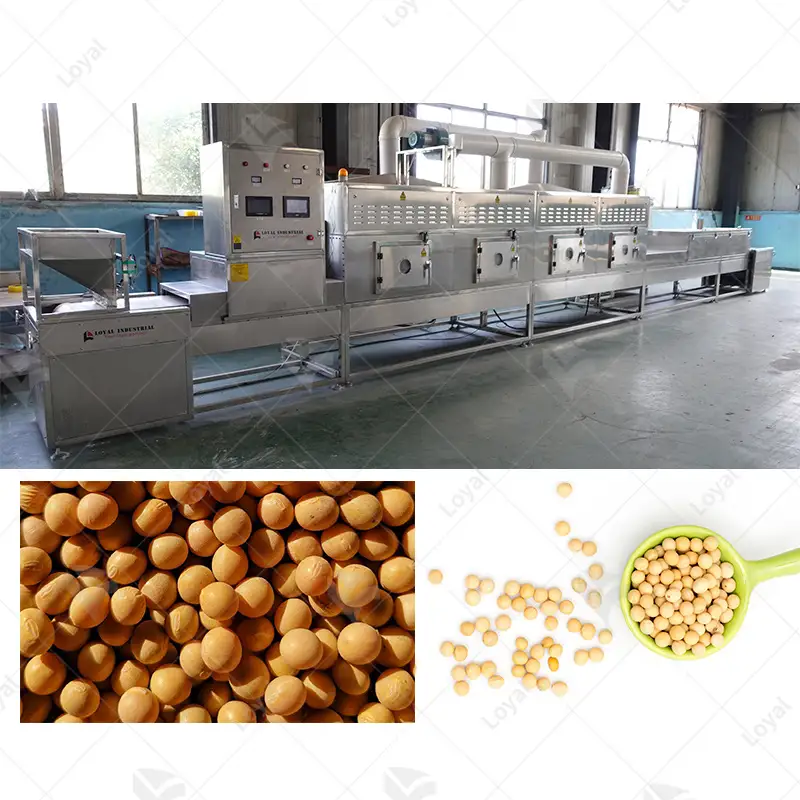
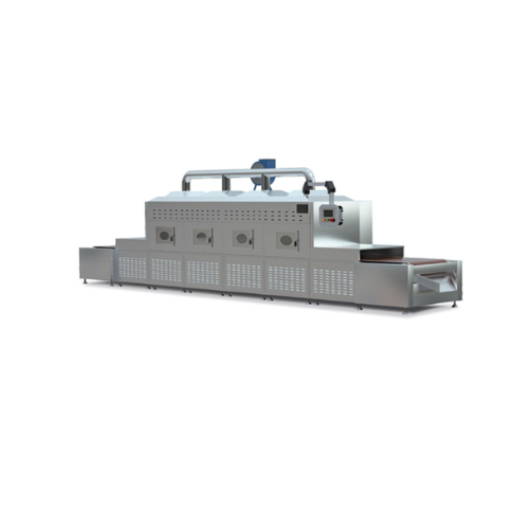
In continuous-operation applications, tunnel dryers serve as the workforce. Microwave energy comes from above, below, or the sides into the tunnel and heats a material continuously flowing on a conveyor belt. Such systems are best for products that need to be batched in high volume.
Typical products processed by this equipment include cereals, nuts, spices, snacks, herbs, and, increasingly, insect proteins, such as larvae produced by the black soldier fly (BSF). Capacities on offer are from 20 kg/h using power ranging from 20 kW to over 200 kW to beyond 400 kg/h from respective models.
The significant benefit of using continuous microwave dryers is that they involve a continuous operation. Once products are placed in the end of the continuous line, they will pass down the machine with minimal labor disturbance. Most of the latest tunnel dryers from Chinese manufacturers are equipped with adjustable belt speeds and programming logic control (PLC) touch-screen controls to ensure precise management of all set parameters.
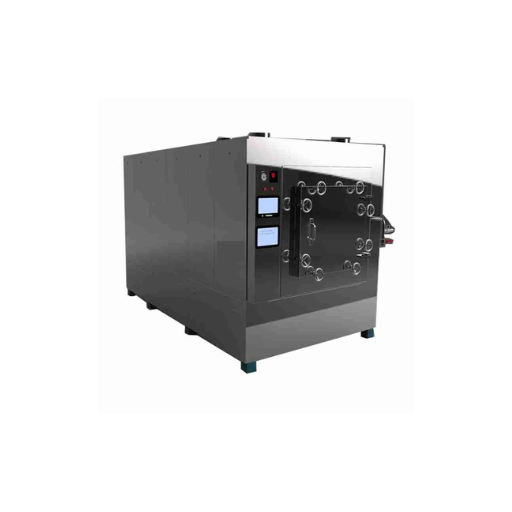
Batch Microwave Dryers
Material, processed in quantumlike pieces within a batch system as opposed to a continuous stream, becomes most suitable to small production runs, a place liable to be tested with resultant quality and to the materials which necessitate handling very meticulously indeed. Again, in comparison to continuous dryers, operational inclinations toward batch dryers are very much involved in research and development.
Batch dryers can be inefficient to operate in large-scale settings. However, batch dryers have some benefits; first to mention is the optimum flexibility they provide. For example, depending on the loading parameters changed with a slight manipulation by itself. With prices for smaller ‘batch’ units starting at approximately 8,000 to 8,000 to 15,000, they can be called on by the moderate-size processors.
Microwave Vacuum Dryers
For heat-sensitive materials, standard microwave drying can still expose products to temperatures that degrade quality. That is where a microwave vacuum dryer from China becomes essential.
The system significantly descreases the boiling point of water by combining microwave heating with a vacuum environment (typically 10-100 mbar). Such low heat promotes the moisture within the product to vaporize with speeds matching that of the drying process itself. This preserves everything that is volatile in any form, as well as the color and overall nutrient availability.
This technology has been designated for the applications with various pharmaceutical powders, turmeric and other spices, fruit pieces, and high valued herbal extracts. The high vacuum-freeze-drying market has seen a considerable investment by China, now producing a number of hybrid systems, all of which rival those of European systems but at far lower costs.
Hybrid and Specialized Systems
2026 is projected to see the fastest growing section where specific hybrid drying systems are heavily considered. This could be the type that combines conventional pre-drying by hot air or infrared with microwave-post drying or integrates microwave drying with sterilization and cooling in one for- mation line.
For example, some Chinese suppliers are now providing tunnel lines that dry, sterilize, and cool bagged snacks in one continuous process. Others are developing equipment dedicated to niche applications such as microwave gasification furnaces, microwave material-drying systems for batteries in the EV supply chain.
How Industrial Microwave Drying Works
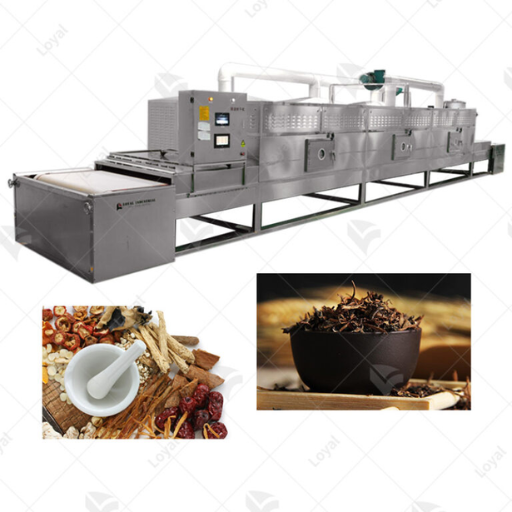
The physics of microwave-enhanced drying would permit clarifications to buyers reaching about company claims while making them able to stave off unwarranted expenses on extra gismos.
The Physics of Microwave Drying
Conventional hot air dryers heat the outer surface of a material first. The heat must then penetrate inside the mass, a process that takes considerable time, and in the bargain, creates uneven moisture gradients. In the process, the outer layers might become more dried out-and the inside ones wet.
The microwave drying mechanism is quite different. The electromagnetic energy at 915 MHz or 2450 MHz passes through the material and excites polar water molecules directly. The water molecules generate heat from the inside out through vibrations; molten water absorbs nearly all energy. This is basically called: volumetric heating.
Uniformity in drying occurs when heat is generated at the same time throughout the material. Industrial microwave dryers often render drying a fast affair wherein the drying process now takes from a couple of hours to a few minutes. An 8-hour drying process may extend up to 12 to 20 minutes via a tunnel oven.
From Magnetron to Moisture Removal: The Drying Process
The focal point of all microwave drying systems is the magnetron, the device that creates the electromagnetic waves. Two very common types can be found in Chinese industrial microwave systems:
- Air-cooled magnetrons: Usually cheaper in structure, they are suited for machines designed to be operated intermittently or have low power; they work far more efficiently in cooler climates.
- Water-cooled magnetrons: Designed to perform non-stop-mode industrial operation. They offer a robust life span that goes along with good durability, so they entail a higher cost to any system.
The microwaves are directed along waveguides into the drying chamber, where they interact with the material. This causes moisture to evaporate, which has to be drawn out in the form of vapors by way of an exhaust or condenser-dehumidification system. Modern applications generally integrate temperature sensors and feedback loops to sense the risk of overheating.
Automation and IoT Integration in 2026 Systems
Above-mid-level manufacturers are in rapid adoption of those features that were considered in the past as premium add-ons. In 2026, mid-level vendors and up are expected to have pro-included features such as:
- PLC (Programmable Logic Controller) based control unit with HMI touch-screen
- AC drives, which control conveyor velocity
- Precise temperature and humidity control systems
- IoT-supported web monitoring as an option
The Asia-Pacific Drying Conference & China Drying Conference (ADC & CDC 2015) hosted in Changzhou, specifically outlined that microwave, infrared, and hydrid present are the core ‘Next Gen Sustainable Drying Technologies’ that will push up the Chinese manufacturers.
Key Industries and Applications
A diverse range of industries finds utility in microwave drying equipment from manufacturers in China. The following are the sectors having the highest demand for microwave drying in 2026.
Food Processing
This is the largest segment. The Chinese tunnel microwave dryers possess the capability to work with virtually all types of food: from rice, wheat germ and chilli power, through tea leaves, to meat products. The real point of entry here is speed. For most sorts of food in this segment, the faster the drying, the less time it remains in the bacteria zone and the better chances are that the original flavors and beautiful colors are preserved.
Many food processors also leverage the simultaneous sterilization effect of microwave energy. The same equipment that dries can reduce microbial loads, extending shelf life without chemical preservatives. For processors focused on packaged goods, our guide to packaged food sterilization machines explores this dual benefit in depth.
Pharmaceutical and Chemical Drying
Pharmaceutical companies require top-notch humidity checks and low-temperature production. When working on active pharmaceutical ingredients (APIs), herbal extracts, or chemical powders, microwave vacuum evaporators manufactured in china are becoming popular.
GMP-compliant construction with typically SUS304 or SUS316L stainless steel and clean-in-place systems make microwave vacuum drying systems adaptable to regulated environments.
Agricultural and Insect Protein
The production of insect proteins is one of the fastest-growing niche areas, particularly in the case of black soldier fly (Hermetia illucens). The larvae must be dried quick and uniform to preserve goodness as well as to prevent spoilage. Padding microwave dryers, therefore, are perfect at enabling continuous processing of hot-thick matter to ensure the maintenance of reliable superior quality in voluminous series.
Chinese manufacturers have developed specialized BSF larvae drying lines with optimized power density and conveyor configurations. For pet food processors, this intersects directly with the growing demand for sustainable protein sources. Learn more in our article on pet food sterilization equipment.
Industrial Materials
Microwave drying is mainly used beyond food and pharmaceuticals for rubber and latex curing, wood drying, ceramic processing, and sewage treatment. In Chinese steel-casting manufacturing industries, high-power industrial microwave dryers have been harmoniously blended into smart production lines, facilitating the drying process more quickly with significant energy savings as compared to natural gas processes.
What to Look for When Buying Microwave Drying Equipment China Direct
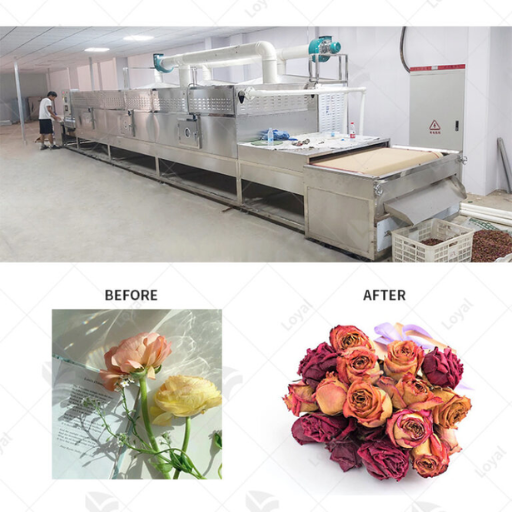
Before signing the contract, a buyer should look for these characteristics in a serious industrial oven maker if they desire significant savings.
CE/ISO Certification and Safety Compliance
CE markings certify the product complies with safety standards and is legally authorized to be for export in Europe. A reputable Chinese manufacturer must be able to prove their validity with certification from an ISO 9001-compliant organization. On the other side, 304 is the standard when discussing material quality for food contact, typically entered into the contract from the SUS304 or SUS316L lines.
Safety is also an important thing to check. Make sure that your industrial microwave system contains a Faraday-cage chamber for operatives, reflectance or deflection protection, door interlocks with an override, a microwave choke system, and a leakage monitor. The international threshold for leakage is typically less than 2-5 mW/cm². Ask to see the reports.
Material Quality: SUS304 Stainless Steel Standards
At minimum, the drying chamber, the conveyor belt, and all product-contact surfaces must be fabricated from food-grade SUS304 stainless steel. If the application is pharmaceutical or highly corrosive in nature, SUS316L is recommended. Low-quality manufacturing can result in the use of thinner or lower-grade materials in order to reduce costs, which can produce a negative impact on material life due to corrosion, contamination, and so forth.
Magnetron Type: Air-Cooled vs. Water-Cooled
Match the right match of the type of magnetron to your running schedules.
- For solid, high-volume, and 24/7 running choose water-cooled magnetrons.
- Prefer air-cooled magnetrons for batch processing and in smaller scales or residual funds for new enterprises.
Ask about the lifespan and replacement cost of the magnetron. Magnetrons are consumable, and how often you change this expensive itemnaffects your total cost of buid owning it.
Control Systems: PLC, HMI, and Remote Monitoring
A modern paperboard should have a PLC with an HMI touch screen, will empower the operator to easily define power level settings, conveying speed, temperature controls, and dry time as desired—no special training required.
Therefore, IoT driven remote diagnostics would be increasingly helpful in a multilocational or firmit tech sector.
Customization and After-Sales Support
Chinese microwave drying oven producers don’t simply sell off-the-shelf models. They come up with bespoke solutions based on your material, target moisture value, and plant layout. Before obtaining a quote, have the details ready.
- Material to be dried?
- Target production capacity per batch or hour?
- Highest temperature and highest moisture need?
- Write down the dimensions of your plant and power supply specimens.
After-sales support should include installation supervision, operators’ education, English-language manuals, and a minimal one-year warranty period. Be sure to ask for proven past work the supplier did in your application area.
Ready to evaluate a custom solution for your facility? [Contact our engineering team for a detailed assessment and competitive quote →]
Microwave Drying vs. Traditional Hot Air Drying
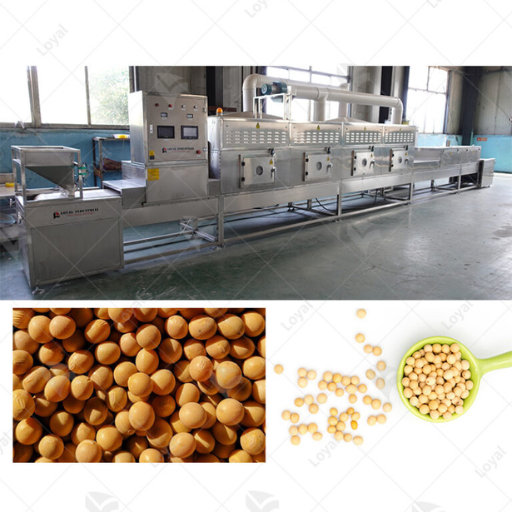
Plant managers very often face a simple question: whether to substitute their hot-air dryers with a microwave system or stick to the present technology. The answer to that question depends upon your respective product, scale, and quality requirements.
Speed and Efficiency Comparison
Microwave drying is faster in principle. Hot-air drying has a long way to go-heating the air, the walls of the dryer, the surface of the product, and finally inward conductive heating; in microwave drying, the microwave energy directed against the water molecules heats directly those.
Typical drying times:
- Hot-air drying: 4-24 hours for many materials
- Microwave drying: 12 minutes to 2 hours for the same materials
- Microwave vacuum drying: 3-6 hours vs. 24-48 hours for freeze drying.
Energy Consumption and Operating Costs
The microwave dryers basically convert electrical energy into heat energy, which is absorbed within the water molecules. Such selective heating considerably minimizes the number of losses in the process. In general, specific energy consumption for microwave drying is lower, with 1.2 to 2.0 MJ for each kg of water removed compared to about 3 to 5 for conventional hot-air dryers.
In terms of the overall energy balance, savings usually run between 20% and 40%, where many industrial applications apply the last of adjusted principles to exaltate recovery. Labor costs come down, too, since continuous tunnel systems require less manual handling in comparison to intermittent hot-air ovens.
Quality and Yield Retention
Hot-air drying presents the potential for case hardening, shrinkage, color degradation, and nutrient loss. Exterior wet layer dries too quickly, essentially forming a crust that hinders the motion of moisture from the internal wet layer. This is what microwave drying does not permit but leads to even heating from within.
When something is priced so high, as in the case of spices, pharmaceuticals, and all sorts of premium goods, quality difference becomes the pivotal card for claiming pricing power and access to the market. The completion of a turmeric combination with Raj Patel has just recently been highlighted by a very appropriate metaphor: color and curcumin retention from non-air drying met EU standards that hot-air drying simply could not achieve.
Total Cost of Ownership (TCO) Analysis
This is where several buyers struggle. The microwave dryers’ upfront capital cost is greater compared to a hot-air one. A small batch dryers costs anywhere from $8,000 onwards and while the larger versions have continuous tunnel systems that surpass $120,000.
Nevertheless, when the energy savings are accounted for; the payroll constraints come down again; the throughputs are affected and hiked; a clear-cut drop-down in the rates of spoilage; and the client exercises some preference or real pay-off to better prices for a seemingly upscale product-the payback period climaxes within 12 to 24 months for continuous industrial use on several occasions.
The limitation of microwave industrialization is upon, volumes. It rewards well when applied up to rated capacity, poorly when idled for long.
2025 Market Outlook and Pricing
The illustration shows that some American and European pioneers already found a niche in the Chinese market, and the rest were waiting in line for their turn.
Global and China Market Growth Projections
The industrial microwave drying equipment market is expanding steadily, driven by the Asia Pacific region as the fastest-growing sector with China as the front runner due to its massive manufacturing base and increased demand from the food processing and pharmaceutical sectors.
According to market research from Verified Market Reports, Chinese manufacturers including Shandong Loyal Industrial, Jinan Talin Tech, and Jinan Kelid Machinery are positioned as key global suppliers.
Typical Price Ranges for China-Made Equipment
Price varies wide with power, size, and features considerations as below are the 2025 price ranges from known Chinese manufacturers:
- Little batch microwave dryers: 8,000−8,000−20,000
- Medium-size tunnel microwave dryers (20-60 kW): 25,000−25,000−60,000
- Large continuous tunnel systems (80-200+ kW): 70,000−70,000−120,000+
- Microwave vacuum dryers: 30,000−30,000−80,000 depending upon chamber size and vacuum system specifications
Price is normally FOB Qingdao or other major port in China. Transportation, customs, and installation normally constitute the buyer’s additional costs.
Lead Times, Shipping, and Import Considerations
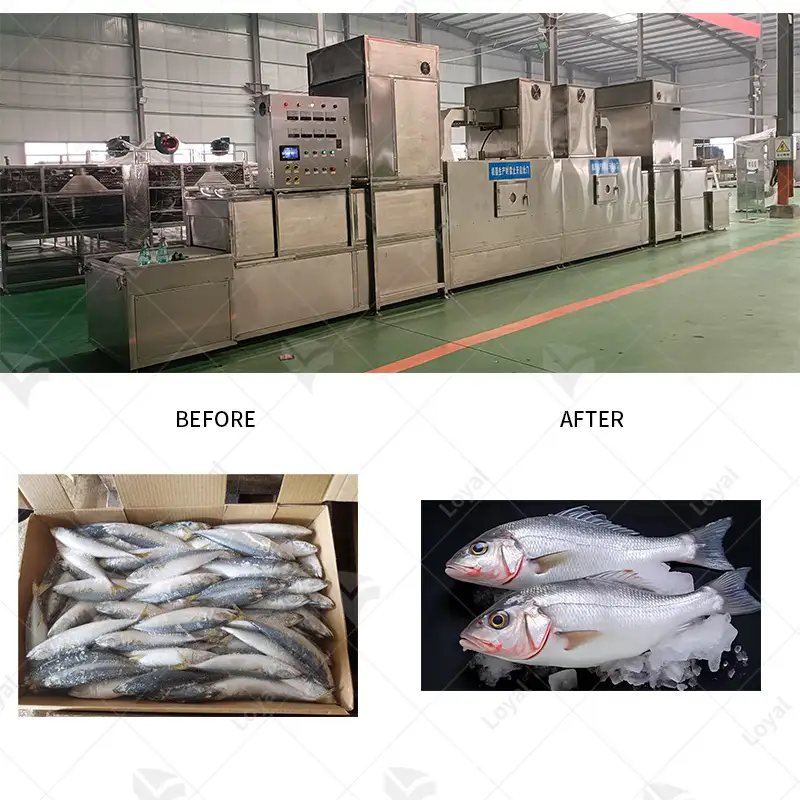
Global vendors have a 40- to 55-day standard manufacturing lead time for standard models and a 70- to 100-day lead time for custom-engineered systems.
Ocean freight will be the classic choice of transport to get your new toy to your front door (direct shipment / consignment basis). As buyer, please confirm the voltage and frequency [power potential] of the destination market industrial-power grids, as industrial microwave dryers need three-phase industrial power. Most high-quality suppliers can adapt the electrical system according to regional standards.
How Shandong Loyal Industrial Supports Global Buyers
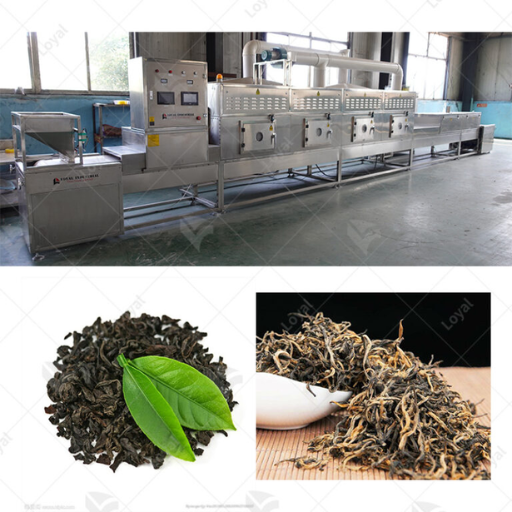
Designing and building the microwave drying, sterilizing, thawing, and curing equipment in our Jinan, Shandong Province factory, Shandong Loyal Industrial prides itself on avoiding reliance on catalogue models for sales; instead, our focus in on solving production problems.
Custom Engineering Solutions
The characteristics of all materials used differ; as such, in order to determine how to design the system, one must ascertain the features of materials such as moisture levels and how much moisture needs to be removed, not to mention how much room they have or if they are using mechanical transportation. Our engineering team will work with the buyer to make custom adjustments to the available tunnel swing width, magnetron placement, and conveyor material so that the microwave energy can provide the maximum drying power to the constrained challenges.
Whether you need a [microwave sterilization system] integrated into your packaging line or a specialized drying solution for heat-sensitive powders, we design around your operational requirements.
Real-World Application Success Stories
All our equipment is in operation at various domains such as food processing, pharmaceutical, and agricultural industries in Asia, Europe, Africa, and the Americas. We have designed an array of facilities that tells us the production results and experience, which helps us undertake new projects across the horizontal marketplace.
Installation, Training, and Life-Long Service
To this end, our basic assistance will constitute services from overseeing installation worldwide, operational training for operators, English language operation and maintenance manuals, along with services rendered throughout our technical lifetimes. The cautious aim here is to assure every one of the production lines put in operation—since 1 day—delivers the value for so many years.
Conclusion
China naturally leads as the primary source location for microwave drying equipment. Chinese manufacturers offer unmatched production capacities, focus of engineering in Jinan, and improved automation investment, rich making it a top pick for world buyers.
Attaining success, however, depends on choosing the right technology or even partner. Concentrate on product price and its lifecycle cost (and not just the sales price); check suppliers’ certifications to make sure you have the specification; be very specific about the type of machine that suits your application; and then work with a manufacturer that knows one or two things about your material; not just their catalog.
The end game: Your choice with the right technology for microwave drying equipment from China can cut processing time from 3-4 hours to just 30 minutes, lower energy consumption by 20-40 percent, and also open market entry into specialized high-quality clientele.
Ready to see what the right microwave drying system can do for your facility? [Request a custom quote and engineering assessment from Shandong Loyal Industrial today →]