




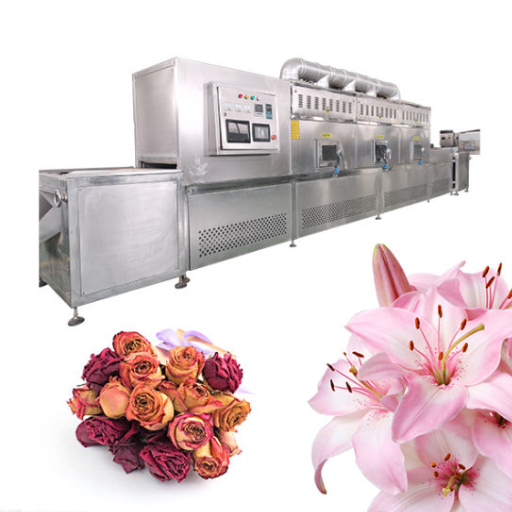
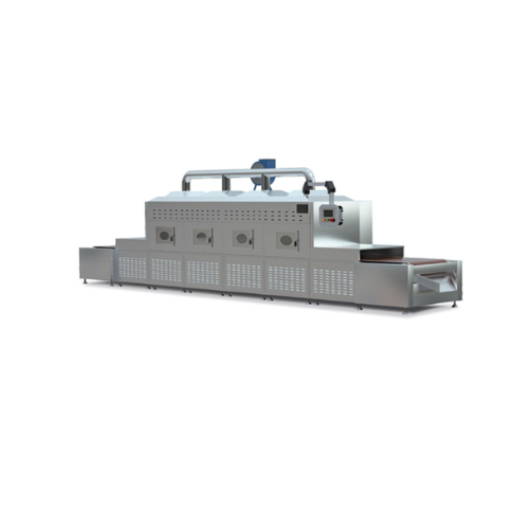


For a tray hot air dryer, it will take typically 3 to 4 hours to process one batch of rubber latex. Industrial microwave dryers are capable of accomplishing the same task within about six to nine min.; that makes a big difference when viewed from those in whose bucket dryers are tagged as waiting time.
You already know that traditional drying methods are the root of bottlenecks. It is appropriate to say that they were very evocative indications from the energy invoices. His kitchen has had to bear with lots of technical discussions on the non-uniform removal of moisture and the resultant product wastage.
It is not about making a decision on upgrading any longer. You have to make a choice on the type of equipment that fits your specific materials, production volumes, and operational criteria.
We will strategically bar all technical gamble and mischance. In the end, you will be able to ascertain how volume micro-waves’ heating functions; the type of dryer configuration that best fits the peculiarities of handling materials of the problem; what specs to request from manufacturers; and in the end, you will put together an ROI analysis by taking account of the level of energy saved and a gain in throughput.
Below is the coverage:
- In this engineering discussion, we try to discuss how industrial microwave dryers work.
- The four popular types of microwave drying and when to apply each one.
- Some application-dependent factors for foods, plants, pharma, and industrial materials.
- Suggestions for a practical buyer’s guide to comparison of specifications.
- Microwave drying versus hot air drying and freeze-drying: who’s the fastest, most cost-effective, and best in quality?
- What is the market forecast of 2026 and the typical price range?
Ready to explore how microwave drying could transform your production line? Browse our industrial microwave drying systems or read on for the complete technical breakdown.
What Is an Industrial Microwave Dryer?
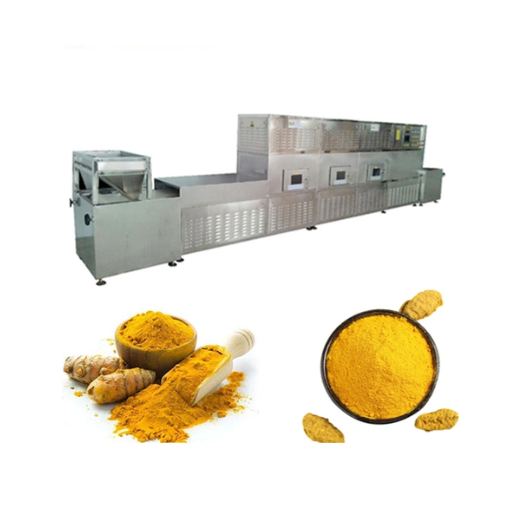
An industrial microwave dryer is a specific device that uses microwave energy to quickly and uniformly remove moisture from materials. Unlike air dryers, which heat an object from the outside, the microwaves keep on cooking from the armour to completely cook them to alleviate this volumetric dryers’ systematic hot link of heating.
How Does Volumetric Heating Work?
Microwaves penetrate the material to avoid molecular friction between the polar molecules. As this primarily involves water molecules, the molecules are quickly and so the heat develops in a quicker span as mentioned in the earlier case, which is substantially not among the energy-consuming until they appear in the coming paragraphs.
Industrial microwave dryers usually work at one of these microwave frequencies:
- 2450 MHz: The most common frequency for food processing, pharmaceuticals, and smaller-scale industrial applications. It offers an accurate degree of control, and it is the best for materials with moderate moisture features.
- The lower the frequency allows to penetrate material more deeply, which is good if you have a thick or dense body like rubber, coils, or batches of produce.l for thick or dense products like rubber sheets or large agricultural batches.
Key Components
Each industrial microwave dryer unit is composed of these key parts all working together.
- Magnetron: It is the main part of the microwave that generates the microwave energy; industrial-grade magnetrons typically use 10 kW to 100 kW per unit and larger tunnel arrangements may have several ones for continuous processing.
- Waveguide: It channels energy from the magnetron into the chamber with minimum loss.
- Chamber: An enclosed space where material is exposed to regulated microwave fields. Proper shielding ensures no energy leaksum, also ensuring safety for an operator.
- Conveyor System (for tunnel dryers): It adjusts the speed of the material moving through the microwave field so as to control drying time carefully.
- Control System: Modern industrial microwave dryers use PLC (Programmable Logic Controller) touch-screen interfaces that allow operators to set power levels, conveyor speed, temperature thresholds, and automated shutdown protocols.
While Chen Wei was evaluating the drying equipment for the rubber processing plant of his firm in Vietnam, initially he had disregarded the microwave technology as being too complex. His earlier hot air oven was taking around four hours for drying items per batch, consuming 320 kW of power.
But after installation of a continuous tunnel microwave dryer consuming power from four 30 kW magnetrons each operating at 915 MHz, the drying time was reduced to eight minutes. Energy consumption was reduced by 38%. A more important advantage was that the uniform heating eliminated the reasons that had caused hardening at the surface, which in turn caused a 12% rejection of products. He had a payback period of fourteen months.
Types of Industrial Microwave Dryers
Choosing the right configuration depends on your production volume, material properties, and moisture removal requirements. Here are the four main types available in 2026.
Tunnel (Continuous Belt) Microwave Dryers
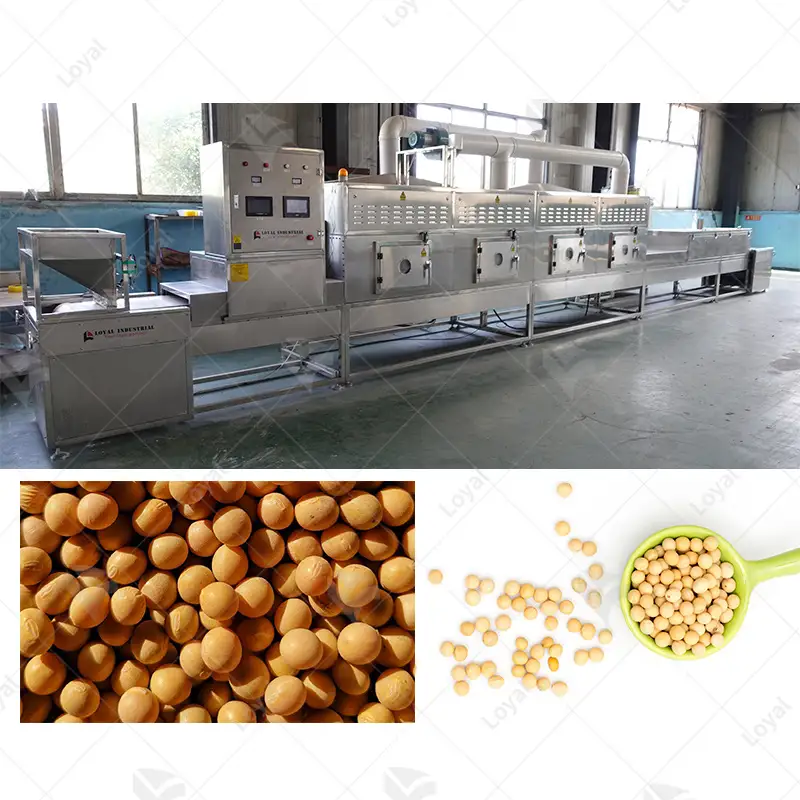
The tunnel microwave dryer is a key asset in the context of high production levels. The material travels continuously on a conveyor belt through a lengthy drying chamber where controlled microwave energy is provided by multiple magnetrons.
Apt for: Over thousands of kilograms per day in the sense of big-scale processing with grains, spices, insect protein, and continuance of rubber sheet curing on the conveyor belt.
Strengths:
- Production never ends, thanks to no needed downtime for the batch
- Precise cooling throughout a drying run on any machine
- Variable in length and/or additional magnetron more easily, if need be
- Integration to existing production lines happens so easily
Typical specifications here mean from 50 kW through 300 kW of total power depending on the belt width, which may proceed from 400 mm through 1,200 mm, with processing capacities from 100 kg/h through 2,000 kg/h for different materials and their initial moisture content.
Batch Microwave Dryers
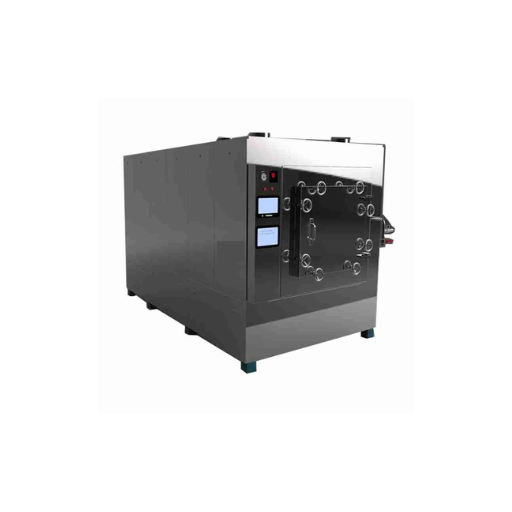
Normally, Batch-systems are batch loading reactors that are closed with valid gas seal and encapsulate dedicated heating firepower to phase into the chamber in a standing microwave system that does that and detrude and go over.
Best Used For: KUVS Smaller processes, pilot testing, and heat-sensitive substances are important to free up dusking in turn from gambling on full reason.
pros and cons:
- Economical cost of initial buy and set up compared to the tunnel ones
- They can deal with a lot of materials on the same line with a lot of flexibility in batch sizes
- These are very easily built to operate at a positive air pressure within the chamber
- Very good, as far as I’m concerned for research and formulas
Common specifications: power range of 10 kW to 50 kW, chamber volumes from 0.5 cm3 to 5 cm3, weight capacity from twenty to 500 kg.
Microwave Vacuum Dryers
These systems synergize microwave energy amidst the desiccated vacuum chamber. Water boils for drying simply due to reduced atmospheric pressure, and so drying can be done as low as 30-40 Celsius degrees.
Best for: materials which degrade at high temperatures and consist of heat-sensitive components such as ascorbic acid, vitamins, phenols, Kevinoids and antioxidants, among others. These might include turmeric powder, pharmaceutical extracts, herbs, fruits, and diffusive polymers.
Advantages:
- It does not degrade delicate compounds as hot air would
- Spices and botanicals maintain their color and aroma
- Minimized oxidation in drying
- It produces the finest output for premium-value markets
Typical specifications: Microwave powers range between 5 and 30 kW, where vacuum levels are from 100 mbar to 10 mbar, as it always boils at these low temperatures.
Hybrid Systems
Combining microwave energy with hot air, infrared radiation, and vacuum assistance—these hybrid systems compensate for any technological weakness by combining the individual methods’ strengths.
Best-suited for: Highly complex, non-uniform moisture materials or facilities transitioning from the traditional drying method, looking to protect current infrastructure.
Merits in Using:
- Faster than any single method on its own
- Greater energy efficiency by integrating, in limited scenarios
- Flexible operation modes for different materials
- Lower capital cost for retrofitting because of old hot air facilities
Key Industries and Applications
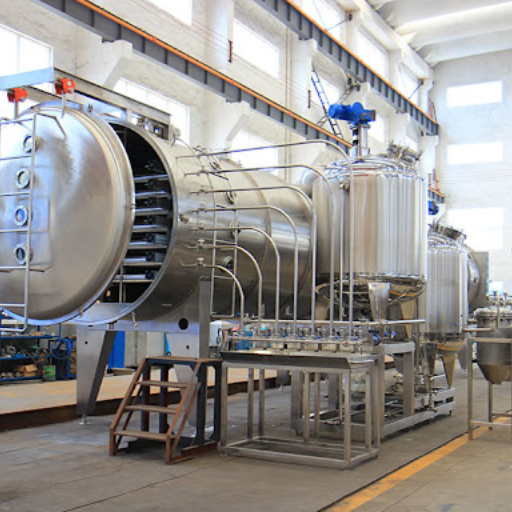
The versatility of industrial microwave dryers spans multiple sectors. Here is how different industries apply the technology.
Food Processing
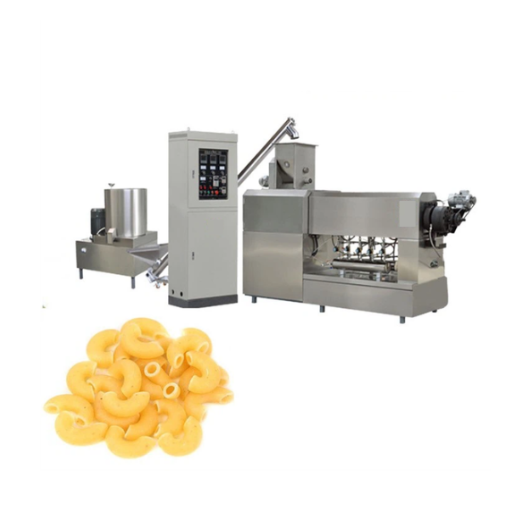
Microwave drying finds many applicable situations in food manufacture: spices, cereal, snack food. pasta, and packaging. Quick, uniform heat treatment allows proteins to become evenly cooked while favoring the preservation of flavor compounds and allowing sterilization accompanied by heating.
A spice manufacturer was unable to meet EU import standards for turmeric powder in Gujarat, India. Air drying at 80 degrees Celsius led to curcumin degradation and produced a dull, brownish powder causing the rejection of buyers.
With the installation of a microwave vacuum dryer working at 40 degrees Celsius under a 50 mbar vacuum, curcumin retention improved by 34%, its bright golden color unfailing. No resistant colonies were detected in microbial counts and there was no chemical treatment required to reach EU set standards. In the first eight months of its concluding export order, the company secured $180,000 worth of annual contracts.
The most common applications include:
- Spices and seasonings: Chili powder, turmeric, ginger, garlic flakes
- Grains and cereals: Rice, wheat, corn, barley
- Fruits and vegetables: Banana chips, apple slices, tomato powder
- Snacks: Extruded, nuts, seeds
- Meals: Ready-to-eat, Precooked rice, Curry:: pouches
Agricultural and Insect Protein
The 2026 application segment that is the fastest-growing is the processing of insect proteins, concentrating specifically on the drying of black soldier fly (BSF) larvae. Microwave technology is well positioned to handle such a challenge of processing high-moisture, biological materials while ensuring protein retention.
Traditional hot air drying of BSF larvae is both time-consuming (about six to eight hours), and it also entails an excessive effect of heat on protein quality. In contrast, microwave dryers can achieve the same proportion within ten to fifteen minutes, with 94%-96% protein retention.
The fast heating ensures that while sterilization proceeds, the pathogens and bacteria would be eliminated, thereby reaching good feed safety grade.
Other agricultural applications are drying of herbs, conditioning of seeds, disinfesting grains, and post-harvest treatment of fruits and vegetables.
Pharmaceuticals and Nutraceuticals.
Pharmaceutical manufacturers rely on accurate moisture control all along the chemical or pharmaceutical ingredient herbs extract and excipients as their whole life is authenticated by dampness in the basic pharmaceutical drug. Microwave vacuum drying technologies permit the processing of sensitive materials without risk, leading to any denaturation and/or oxidation at a low temperature that prevents the breakdown of tablet leads and capsules.
The application of drying below 50 degrees Celsius allows for the preservation of nutraceutical enzyme activity and the preventing of protein shakes from denaturation. Automated PLC control achieves the total consistency apart from the whole machinery factor to meet the GMP requirements.
Industrial Materials
One of the most striking applications of rubber and latex processors is furthering towards these goals. The latex must be dried and cured first from the natural rubber mixture prior to its processing. Usually, traditional methods take about three to four hours to vent with hot air, which microwave systems can reduce to six to nine minutes, thus facilitating improvement in tensile strength uniformity in compounds.
Ceramics-printed polymers and wooden goods shall be set up with microwave drying so that cracks and warping that formerly resulted from surface heating can be corrected in today. Reduced rejection rates and material waste are good news for everyone.
How to Choose the Right Industrial Microwave Dryer
Selecting the wrong specification wastes capital and compromises production. Use this framework to evaluate your requirements before requesting quotes.
Production Volume and Throughput Requirements
Decide upon an hourly target rate or daily maximum throughput, in kilograms of dry material. Tunnel systems are most suitable for operations that would be run virtually day and night at rates above 500 kg/day. Batch treatment systems take care of operations at rates below this or those that demand frequent product changes.
Material Properties and Moisture Content
It is crucial to understand these factors when dealing with microwave energies:
- Initial moisture content: Materials that contain a higher moisture content (above 60% wet basis) might require pre-treatment or hybrid systems
- Dielectric properties: High water content or highly polar materials absorb microwave energy more efficiently than low-moisture or low-polarity materials. Targeted treatment methods may also be incorporated to improve energy absorption
- Thermal sensitivity: Heat-sensitive materials might require the usage of a vacuum or low-power configurations
- Particle size and density: Behavior of fine powders significantly affects that of slabs or whole products
Power Rating and Magnetron Configuration
Power requirements grow directly with throughput. But a simple conformity rule: allocate between one and one and a half kilowatts of microwave power for each kilogram of water to be removed per hour. In practical terms, with about 50 kg of water removed per hour, you will need approximately 50 to 75 kW of installed microwave power.
Magnetron configuration affects the uniformity of heating power input across products. Multiple, smaller magnets located along the tunnel will usually do a better job of distributing power evenly over the product than a few large ones.
Control Systems and Automation
Modern industrial microwave dryers should include:
- PLC touchscreen interface with recipe storage
- Real-time temperature and humidity monitoring
- Automated power adjustment based on feedback sensors
- Quality traceability data logging
- Remote monitoring oriented to multi-facility operations
Material Quality and Safety Standards
Hinge steel surfaces- Suppose they come into contact with food. Insist that the manufacturer provide CE certification for the European market or FDA compliance for food from North America. With microwave shielding, it should meet international safety standards to ensure that operators are protected from radiation exposure.
Need help matching specifications to your exact material and volume? Our engineering team analyzes your moisture content, throughput targets, and facility constraints to recommend the optimal configuration. Request a custom microwave dryer assessment and receive a detailed technical proposal within 48 hours.
Industrial Microwave Dryer vs. Traditional Drying Methods
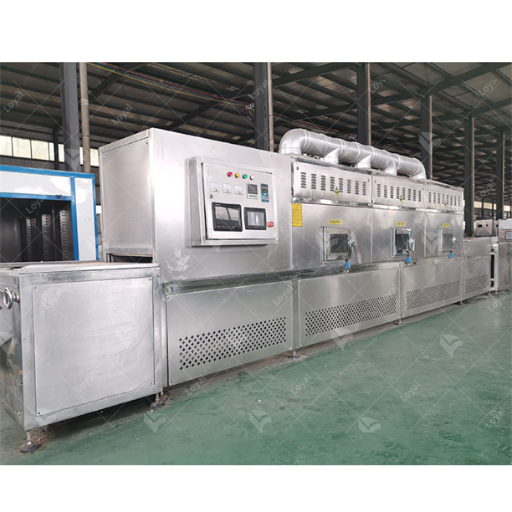
One of the key pieces of information to include in this business case is the performance information, comparing microwave driers to the two most common alternatives.
Speed Comparison
The speed advantage is the most immediate and visible benefit. Consider these typical drying times:
|
Material |
Hot Air Drying |
Microwave Drying |
Time Reduction |
|---|---|---|---|
|
Rubber latex |
3-4 hours |
6-9 minutes |
96-97% |
|
Turmeric powder |
4-6 hours |
20-30 minutes |
92-94% |
|
BSF larvae |
6-8 hours |
10-15 minutes |
96-97% |
|
Fruits (sliced) |
8-12 hours |
30-60 minutes |
92-95% |
|
Grains |
2-3 hours |
15-25 minutes |
86-92% |
Shorter drying times mean higher output daily. An operation doing 10 operations a day with hot air would be able to manage anyplace from 50 to 100 batches using microwave technology, with no losses in floor space.
Energy Consumption and Operating Costs
According to Verified Market Reports, energy efficiency drives significant adoption across the industrial microwave dryer market. The numbers support this trend.
Microwave drying typically consumes 1.0-2.0 megajoules per kilogram of water removed. The necessary expenditure for regular hot-air drying is much higher with an energy range of 3.0-5.0 megajoules per kilogram of water to be removed. This makes the microwave process about 20-40% more efficient energy-wise.
The difference is where the energy goes after it is delivered. In short, the hot air systems heat the adjacent air, the dryer walls, and the product surface, with a considerable amount of heat escaping through the exhaust. Microwaves, on the other hand, penetrate directly into the material. Just about all the input energy goes into moisture removal but escapes little from the dryer.
Product Quality and Yield Retention
The conventional hot air drying process involves heating the product from the outside in. Therefore, the surface gets dried faster than the interior, and creates a hard shell which further traps in moisture. This could lead to uneven drying, case hardening, cracking or distortion of the product.
Microwave drying works from the inside out. Because the interior temperature is often hotter than the surface, it causes moisture to naturally move outward. This implies uniform moisture content, sustained cellular content, and excellent preservation of the product color.
In terms of food products, this means improved nutrition, better texture, and longer preservation. Industrial product quality now have fewer rejects, allowing for more consistent mechanical properties.
Total Cost of Ownership
The cost of capital employed per se to install an industrial microwave conveyor dryer is way much higher than that for a hot air system of similar size. However, the total cost of ownership usually ‘pays off’ the difference between the two technologies in 12 to 24 months.
Please consider the following items in your calculation:
- Energy savings: 20 percent lesser utility usage to 40 percent lesser on the power bill
- Labor reduction: Fewer product transfer-opportunities with faster batch completion
- Space achievement: Productivity in more efficient terms per sqm of floor space
- Quality estimates: A better product standard generally goes in for a better retail value
- Waste savings: Less rejects result in saving material expenses
- Service/Maintenance: The maintenance is required for fewer parts as against a warm-air system having fans and burners
2026 Market Outlook and Pricing
By the power of the analysis of the market, the global industrial microwave drying equipment industry, which is present in 2020, was expected to be worth 1.2 billion in 2020, analysts foretell, whereas a forecasted value of 2.5 billion in 2033 displays the dominance of Asia-Pacific in line with the compound annual growth rate in the range of 9.2-9.5%. Inefficiency provisions of approval also require demand by modern food safety and quicker processing of manufacturing in various industries.
Asia-Pacific region has stayed in robust position and the chief where the manufacturing base of China is always. The city of Jinan, Shandong Province, boasts being home to the largest number of industrial microwave oven manufacturers in the world and includes Shandong Loyal Industrial and others of its fame.
Typical Price Ranges
Pricing is very much configuration, rate, and how customized the production is:
- Small batch systems (10-30 kW): 8,000 to 25,000
- Mid-size tunnel systems (50-100 kW): 35,000 to 75,000
- Large continuous systems (150-300+ kW): 80,000 to 120,000 and up
- Vacuum microwave dryers: 25,000 to 60,000 depending on the size of the chamber
- Fully custom hybrid systems: 100,000 to 250,000+
All these figures only account for the costs of equipment. Installation, shipping, and commission could further add on 10 to 20%, depending on how complex and where planted.
Lead Times and Logistics
Normal delivery of large orders from suppliers in China is between 30-45 days for existing designs. Customized and unique engineering may extend that to 60-90 days.
Please add the following to the time frame of delivery:
- Sea-freight travel time (depending on the destination, 20 – 40) days
- Customs clearance and the duties of importation (varies from country)
- Installation and running with manufacturer support (3-7 days)
- Training the operators (1-2 days averagely)
Interested in specific pricing for your production requirements? Contact our team for a detailed quote including equipment, shipping, and installation support.
How Shandong Loyal Industrial Supports Global Buyers
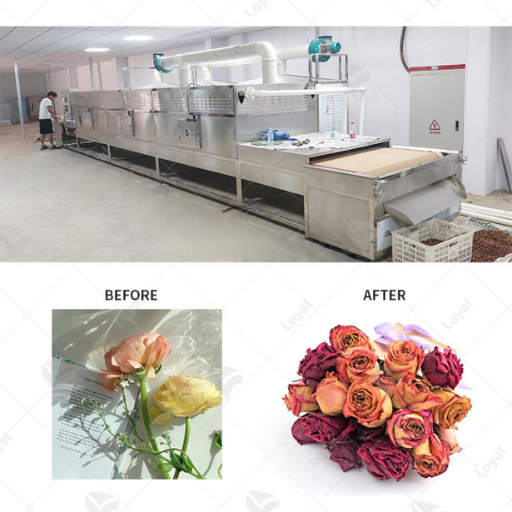
Shandong Loyal Industrial Co., Ltd. constructs industrial microwave dryers from their facility in the city of Jinan, Shandong Province, China. We serve customers from many countries including food processing, pharmaceuticals, agriculture and industrial processing activities.
Tailor-Design Process
Each manufacturing process poses different challenges. We do not sell off-the-shelf machines. Instead, our engineers analyze your material samples, drying goals, and production constraints to design it so that it fits seamlessly into your production line. This may entail wire conveyor dimensions that do not correspond to those of today’s standard oven builders, special belt materials, power configurations, and control interfaces necessary to fit the operational guidelines of your operation.
Documented Application Success
The materials processed include:
- Purple silk fly larvae: A continuously tunnel system with a 12-minute cycle is a formidable 96% protein production.
- Turmeric powder, spice, and spice: An advanced state-of-the-art product vacuum dryer; this particular process helps to attain a high-quality product in terms of color, together with its curcuminoid contents.
- Rubber and latex: A custom tunnel setup with a huge amount of accelerated drying time — from 4 hours to around 10 minutes.
- Pet food and assorted foodstuffs: Drying-art and sterilization techniques eliminate the need to add preservatives.
Installation, Training, and Lifelong Support
By carrying out all-inclusive support for the firms, beginning with pre-shipment factory testing right through to long-term operation:
- Pre-shipment factory testing using customer materials
- On-site installation and commissioning executed by the experienced technicians
- Operator training on shift, troubleshooting, and safety instructions
- Remote diagnostics, using the PLC network connectivity
- Spares inventory and quick replacement programs are crucial
- Annually, performance audits will be conducted. During the audits, any modifications will be recommended.
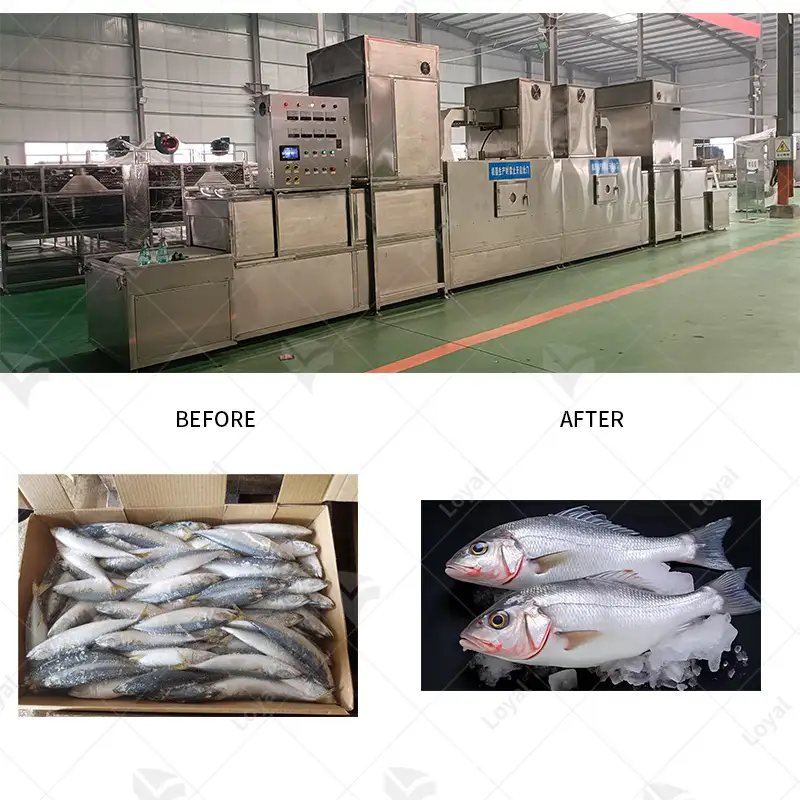
Our microwave sterilization equipment and microwave thawing machines complement our dryer lineup for facilities seeking integrated processing solutions.
Conclusion
Industrial microwave dryers bring revolution in traditional drying methodologies. The capacity to heat volumetrically, its accuracy in control, and dramatically short processing times make for truly important advancements in an end-to-end oven that translate into various benefits to both throughput and energy use and overall quality of products.
Let’s sum everything up in the following lines:
- One, volumetric heating results in a complete lack of inconsistency in drying with non-surface hardening and non-moisture encapsulation.
- Secondly, the main groups are tunnel dryers for high-volume-based continuous operation, batch dryers for flexible operations, and vacuum dryers for heat-sensitive products, whereas hybrid configurations take care of niche needs.
- At full capacity, drying times ease off to the 90% bracket. A quick example would be latex drying, which is abridged from the hours to minutes. Spices are tender and still retain both their color and active compounds that are quickly lost to hot-air drying.
- Due to the elevation in the processing speed, on the whole, the energy expenditure has decreased by around 20% – 40%. The cost of operation fell sharply, having quite few environmental effects.
- As all factors are considered, the total cost of ownership favors the use of microwave technology between 12 to 24 months.
In an upwards trend, the industrial microwave drying equipment tech equipment market is growing at better than 9% per annum. The competitive advantages that early adopters will reap in terms of speed, quality, and cost efficiency are not likely to meet the latecomers.
Ready to cut your drying time by 90% or more? Request a custom quote from Shandong Loyal Industrial. Our engineering team will analyze your material, volume, and facility requirements and deliver a detailed proposal with specifications, pricing, and implementation timeline within 48 hours.
Based in Jinan city of Shandong province, Shandong Loyal Industrial Co., Ltd. has been specializing in manufacturing in the field of industrial microwave drying, sterilization, thawing, and curing equipment since 2006. We concentrate on applications for food processing, pharmaceuticals, agriculture, and industrial materials and cater to specialty requirements worldwide through custom-engineered solutions.