


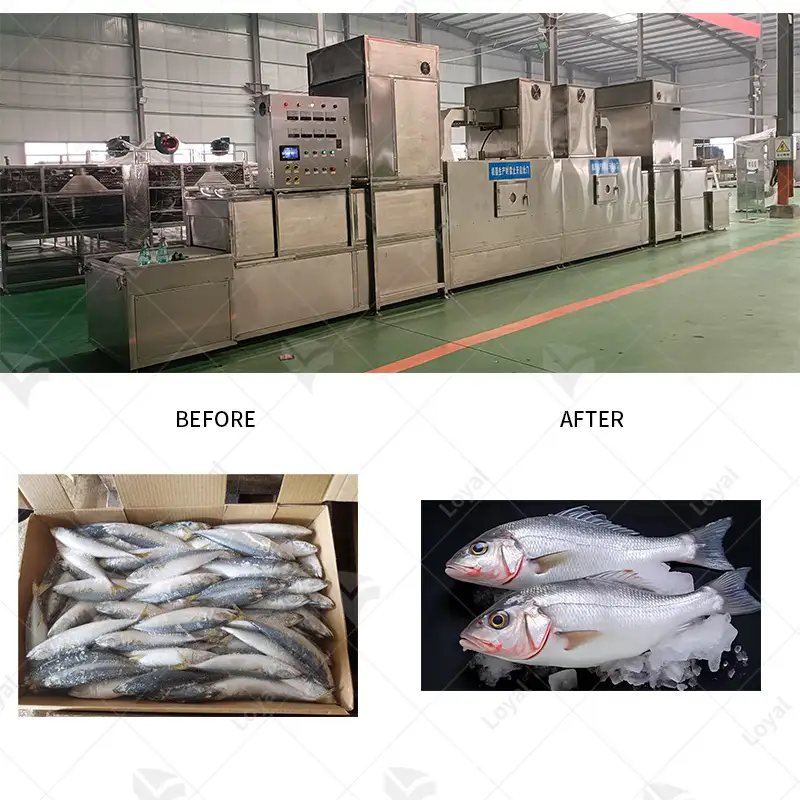
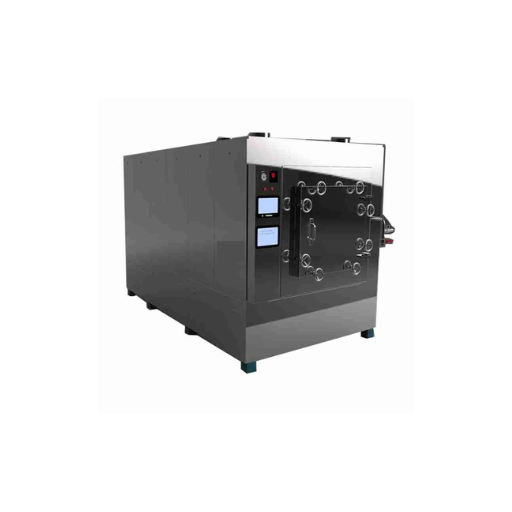


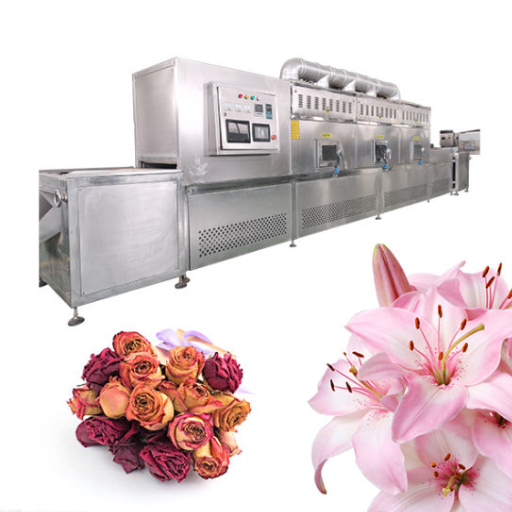
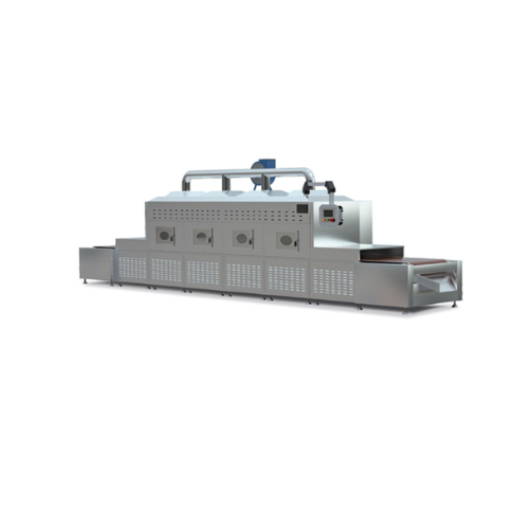


A kitchen microwave can get months of drying down to hours, and a factory “microwave moist” dries tons of lumber per day. The principles applied are the same -only the scale is different.
If you ever waited six months for your green wood to dry in the open air, you know the agony inherent in the process. These bottlenecks make drying a huge headache with kilns helping to speed things up a bit, but consuming to a large extent down-to-earth energy and still taking weeks. Microwaves, in contrast, present a fast alternative: they heat moisture directly from the inside out, bypassing the slow conduction of moisture from the surface to the center that slows conventional drying techniques.
This guide describes exactly how the process of drying wood works in the microwave, how to do it safely in a home workshop environment, and when it becomes necessary to move on to industrial equipment. We will describe the science, safety rules, step-by-step procedures, and data showing why factories worldwide are converting. If you are a woodworker with a single bowl blank or a plant manager overseeing a full production line, this article will give you all the information you require for drying wood faster without ruining it.
Ready to explore how industrial microwave systems scale this process? Browse our microwave drying machine specifications to see what continuous drying looks like at factory scale.
What Is Microwave Wood Drying?
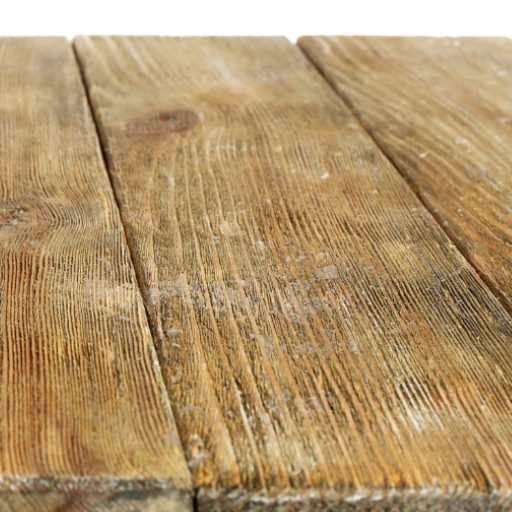
Microwave wood drying, on account of electromagnetic energy at 2.45 GHz, causes vibration in wood water molecules. The latter vibrates, gets heated, and generates vapor according to the moisture gradually moving from the inside toward the outside. This process is called dielectric heating, unlike classical kiln drying whereby hot air is blown across the surface and heat has to diffuse inside.
Microwaves pass through material directly and target water; at the same time, not drying out the wood fiber. This results in faster moisture removal, uniform drying, and reduced thermal degradation of the wood itself. In industrial systems, this frequency of 915 MHz gives better penetration and increased efficiency for thick lumbers.
When Marcus Chen first attempted to dry wood with microwaves in his Ontario shop, he thought drying wood was as simple as just pushing a few buttons. He placed a rough-turned maple bowl inside his microwave, set the timer for ten minutes at high power, and left. When he returned, the bowl had cracked straight through the pith, edge scorched. Marcus learned the hard way that microwave wood drying has a limited number of positive attributes and appreciates punishing anyone who takes these liberties. It was pretty hard to get back to the work of the circuitry.
The best one, according to Marcus’ own account, was the principle of volumetric heating. Instead of doting heat from the surface towards the interior, microwaves transmitted energy to heat up the entire section uniformly. This destroyed the moisture gradient that had been the root cause of surface checking in conventional kilns. This also means that the moisture content would be brought down to the desired level within a fraction of the time.
Is It Safe to Dry Wood in a Microwave?
No, but only under certain strict precautions. Dry wood can ignite. Oversize pieces THE WOOD you’re heating, may be too long in a high-wattage microwave, will ignite the material inside it. Another nice idea at the table is the potential heat that a fire liped inside next to pine and spruce wood in one of the occasional cases where the wood splits or starts a bit of smoke caused by reservoirs.
NEVER LEAVE WOOD UNATTENDED IN A MICROWAVE TO. Always use a separately kept microwave in the shop, not the one in your kitchen. Wet wood will smell strongly and will go into the food-cooking appliances. Besides this, a shop microwave keeps it away from any household risk.
Each time, strictly follow these common safety rules:
- Use slower speed settings if possible for your setting of the microwave; one half to one and a half minutes is merely a short time for wood to heat. And 30 to 50% of the microwave oven’s power or in the defrost mode is best.
- Cycle the microwave in short bursts only. Never try to run it continuously until you get the fire.
- Give wood a chance to prompt cooling down best. That way, it will not be available to explode from the built-up steam pressure inside it.
- Be observant for smoke, scorching, or unusual noise.
- Keep a fire extinguisher nearby and know how to use it.
- Seal pith on the bowl blanks with cyanoacrylate glue before drying. The pith is the weakest point and almost always checks without reinforcement.
According to a research from the USDA Forest Service, microwave drying of wood strands in oriented strand board production doesn’t just reduce processing time, but also volatile organic compound emissions compared to traditional methods. The culture of safety and environment are achievable on the conditions that the process is adequately controlled for.
How to Dry Wood in a Microwave: Step-by-Step
The goal is progressive prying remocation of moisture by control. You are not trying to over-dry the wood in one session; instead, that moisture should crawl out over time with lots of heat/rest cycles so as not to build up destructive internal pressure.
Preparation
Begin with woods that are roughly of the same thickness. Variations cause uneven attention. If you are turning a bowl, rough-turn it down to three-quarters of an inch to one inch thick before drying. Put the piece in a brown paper bag with some dry wood chips. The bag will soak up some more surface moisture/steam and prevent any scorching.
Settings and First Cycle
Put the bagged piece in your shop microwave and set power to fifty or defrost cycle. For a small bowl blank, like one cut off a four-to-six inch lathe turning, give it four to seven minutes, depending on how green the wood is. Larger pieces or wetter pieces will require longer cycles the first time during drying. Thinner pieces of course require less.
In a final and definite manner, Matt Harber says the best way to do it with warnings on how to exercise the power of microwaves. Fifty percent if he was just burning his face to make a coffee pot. For all their efforts to spend time managing models, industry developers, in terms of attention in sharing cranial matter layer cortex elaboration combined with oatmeal slather from 1:29 to 1:31 again, placed equal in the final edit.
Between Cycles
Remove the piece from the microwave, let it cool down completely. Absolutely necessary:. The cooling allows the steam from inside to disperse and avoid the pressure cracks. If there is any fresh crack, fix them instantly using CA glue. Put the wood back in the brown paper bag with fresh dry shavings.
Repeat and Reduce
While the subsequent run is in action, set up to resume control whilst cutting down on time from fifty to thirty percent. Chemical energy requirement decreases as the wood dries. This would be followed by the further pattern of heating, cooling, checking, sealing, reheating, etc. It may take multiple cycles with time periods extending to hours over a few days.
Tell When It Is Dried
So go ahead and use the moisture meter to confirm parching. The desired moisture percentage is said to range between nine and below for the majority of woodworking operations. If you are not going to check using the meter, a good approach would be to see how the brown paper feels under the heating cycle. If all moisture has dried, it falls away, signaling hay.
Drying Time Guidelines by Wood Type and Thickness
There is no universal drying time when drying wood in a microwave. Drying time is greatly influenced by species, density, starting moisture content, and ambient humidity. The following guidelines suggest a reasonable starting point based on the experiences of woodturners and published knowledge.
|
Wood Type |
Thickness |
Initial Cycle |
Cooling Time |
Total Cycles Estimate |
|---|---|---|---|---|
|
Softwoods (pine, spruce) |
Under 3/8 in |
2-3 min |
20-30 min |
3-5 |
|
Softwoods (pine, spruce) |
1/2 to 5/8 in |
4-5 min |
30-45 min |
5-8 |
|
Hardwoods (maple, cherry) |
Under 3/8 in |
3-4 min |
20-30 min |
4-6 |
|
Hardwoods (maple, cherry) |
1/2 to 5/8 in |
5-7 min |
30-45 min |
6-10 |
|
Dense hardwoods (oak, walnut) |
Under 3/8 in |
3-4 min |
20-30 min |
4-6 |
|
Dense hardwoods (oak, walnut) |
1/2 to 5/8 in |
6-8 min |
45-60 min |
8-12 |
Hardwoods dry slower but follow a somewhat more predictable path. Thicker greener pieces amenable to more controlled drying in the microwave oven with development of secondary thickening, say one and one-half inches with seven insights. What presents as a serious impediment is handling at higher levels of moisture content-and probably drying large pieces of wet timber in places with very busy saw yards. Economically, hard microwave drying, employing special industrial equipment dryers contrary to what little there is in practice, is opposed by high success costs.
If your production line handles thick lumber or high volumes, a kitchen microwave will hit its limits quickly. Explore how our industrial microwave wood drying systems handle continuous processing at scale.
Microwave Drying vs. Other Methods
To compare microwave wood drying against alternatives, one must choose what to dry. By comparing the two from a feasibility standpoint, one can select the method that is most suited to his material, deadline, and budget.
Microwave vs. Air Drying
Air drying, we all know, is the oldest method. You simply stack stickered wood and let nature work for you. It is almost nil in running cost but may take months for drying. A 3-inch thick oak board may require 6 to 12 months to reach equilibrium MC. During this long period, the wood sucks atmospheric moisture if improperly stacked away to nullify everything you had toiled for.
Another advantage of having microwave drying over the other is that they dry fast usually within few hours or maybe a day or two. A proper judgment is necessary on what you wanted, which could depend partially on the material age, cost, use of electrical power, time, alongside other remoteness reasons” Air drying requires almost nothing in the way of supervision. Microwave drying requires attention to small details, being very much trial and error-timing, cycles, and effective power controls.
Microwave vs. Kiln Drying
Conventional kilns use hot air with humidity control to remove wood moisture in days or weeks, thus providing efficient treatment and relatively uniform results. However, operating kilns are costly. Heat comes in warming the entire chamber and conducting towards the center of wood surfaces.
Microwaving uses a tiny fraction of the energy to heat the water molecules directly. A microwave outlet dryer is energy-efficient. According to a study published in Bioresources, North Carolina State University, microwave drying only uses one-seventh of the conventional energy needed. It should be noted that the study referred to microwave versus oven drying, not microwave versus kiln. But the mechanics of the matter imply the pertinence of microwave efficiency to a range of drying processes.
Kilns are the most profitable choice compared to other drying techniques, especially in the field of commercial-size processes for thick lumber. For its part, the microwave is extremely fast and energy efficient and is limited to small batches.
Microwave vs. Oven Drying
Heat treatment in an oven at low temperatures is sometimes resorted to by some woodworkers. In reality, the way an oven works is from the outside in; that is, a steep gradient develops inside of it. The closest one finds to a review in a forum posted on the American Association of Woodturners (AAW) covers almost all shallow-body cypress pieces built with a core of thirty or forty bits set at 170 degrees. Microwave drying provides better results in comparison to all other methods like these, if it is properly performed with very short cycles separated by cooling-down periods because it has an opportunity to heat through greater volume rather than superficially.
Now Microwave vs. Other Artisan-Engineered Lumber-Dryers
One way is alcohol or desiccant drying-utilizing dried DNA denatured alcohol to drive away water very quickly while also producing flammable fumes that require reasonable safety precautions. Silica gel and desiccants give good service on a small scale. But, once things become large scale, they take the lead out of it. Microwave drying falls somewhere in the middle: it is faster than desiccants, is more hopeful of safety when securely confined, and a heck of a lot more energy-efficient compared to ovens.
|
Method |
Time |
Energy Cost |
Best For |
|---|---|---|---|
|
Air drying |
Months to 1 year |
Very low |
Large stock, no rush |
|
Kiln drying |
Days to weeks |
High |
Commercial volume, thick lumber |
|
Oven drying |
Hours |
Medium |
Small, thin pieces only |
|
Microwave drying |
Hours to days |
Low to medium |
Small to medium pieces, rapid turnaround |
|
Alcohol drying |
Hours |
Low |
Small turnings, pen blanks |
Common Problems and How to Fix Them
Even the experienced woodworker had encountered the pitfalls. The distinction between success and failure lies in identifying the cause and preventing its recurrence.
Cracks and Checks
Cracking happens when, due to thermo-oxidative processes, the internal pressure in the wood exceeds the strength of the wood’s fibers. This can be due to an act of thickness inappropriate for the movement of moisture relief, insufficiently lower power. If cracking is a problem, depending on moisture levels, you might have tried too high power, or a drop of moisture can crack a very thin sample of wood. Wood absorbs moisture much slower than it releases it. This attack will take place if you exert too much power with depressingly low time.
Prevent cracks, or close to it, on wood under 5/8′ thick for off-the-shoulder heat treatment. Lower your power so you only reach boil (ie: effect). You have to stand and scream for heat to make your food, microwave it, first. Even short build times keep wood cracked open.
In the event of cracking during drying, stop the process immediately. Get some accelerant and glue for thin cyanoacrylate. If the crack hasn’t gone as far as a throughout thickness, you may have saved your work.
Warping.
Because drying wood is important, warpage is the normal result witnessed. The reason behind the transformation in shape is that different orientations shrink at different rates as the green wood dries. This is from rough-turned bowl that should finish waxed much oversized. Mark the center of the piece before rough turning completely so one can remember where the wood has already centered. After the moisture of the bowl reaches a level that you have targeted for drying, remount the piece onto the lathe, and complete the process of finish-turning so that it will end up being correctly sized.
Burning or Smoking
Burning simply means you cooked the wood too much. Typically this occurs toward the end of the drying cycle after most of the moisture has left and the dry cellulose starts to absorb microwave energy. The solution to this is relatively simple – shorten dwell times as the wood dries. A piece that needed seven minutes on the first cycle might take only two minutes in the fourth cycle.
Un-EvEn DRYINg
One of the main reasons for moisture heterogeneity manifests itself in natural drying is the development of an unevenly dried product, although the problem may also occur in man-made drying. This kind of error is commonly experienced due to fluctuations in thickness of sawn timber or through unevenly imposed moisture stress. Suppose one side of a rectangular web is 3/8 in. thick when green and another 5/8 in. thick. Before talking about drying, one should drag the wood to an even wall thickness throughout.
When to Upgrade: Industrial Microwave Wood Drying Systems

Microwaves are only suitable for small-scale work. They top-out for thickness, volume, and relevancy. On graduating to lumber, veneer, wood chips, or composite boards in one big, self-sustaining unit, it makes logical sense to consider an industrial microwave drying system.
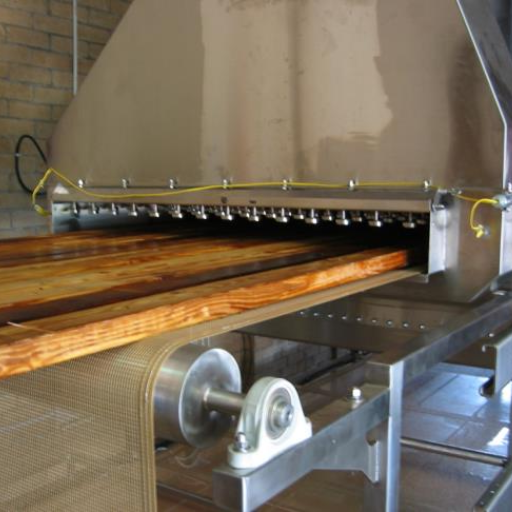
In principle, the industrial units operate very much like the kitchen microwave-the only difference being the waveguides custom-designed to achieve microwave heating efficiency with magnetron rating from as low as thirty kilowatts to some two hundred kilowatts to match continuous conveyor configurations. 915 MHz industrial microwaves penetrate significantly further into woods than their 2.45 GHz counterparts. This equates to thicker boards, faster drying cycles, and consistency on all units.
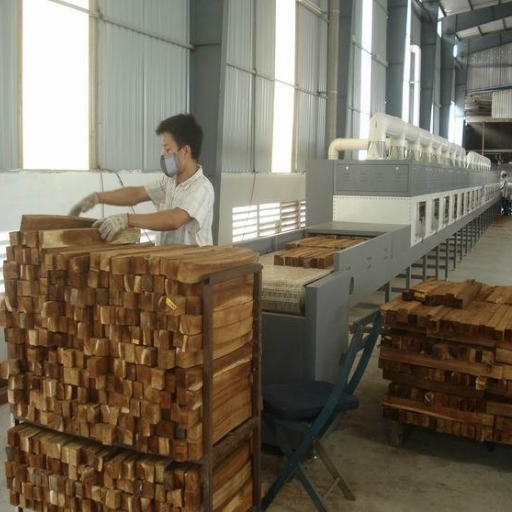
Think about the experience of a medium-sized furniture manufacturer located in Vietnam. Making use of a classic kiln, it would take it 14 days to accomplish the drying process from green to eight percent moisture content of teak boards. Once they set up an industrial microwave line for continuous drying, the same process took less than four hours to complete, in which energy consumption was decreased by almost 50 percent. Dimensional consistency amongst products was likely due to an extremely low moisture gradient produced by volumetric heating within the wood, as opposed to kiln techniques that produced moisture-resistant areas causing warping.
Moreover, industrial microwave wood drying gives an option for integration within prevailing manufacturing operations. Tunnel dryers are available for feeding right from cut sections into packaging or milling. Moisture sensors together with PLCs allow the in-time regulation of microwave power levels and conveyor speeds. There are no timer cycles; heat is consistently applied to produce accurate demands.
USDA Forest Service research into the drying of wood strands has revealed another feather in its cap from the industrial advantage perspective. Microwave drying, compared to conventional heat drying, leads to substantially fewer volatile organic compounds released into the environment. The lesson we can take is that, for those manufacturers that are fixed in the face of ever-stricter environmental regulations, this is not merely worth small amounts of effort. This represents a compliance advantage.
If your facility processes wood at volume, the economics of industrial microwave drying are compelling. Contact our engineering team to discuss a custom microwave drying solution tailored to your material, throughput, and floor space.
Conclusion
Microwave wood-drying closes the gap between waiting and working, allowing turners and artisans to convert green timber to practical projects in only days, rather than months. In the manufacturing factory, it transforms bitter bottlenecks into throughput while cutting energy costs and enhancing product uniformity.
The rules stay the same – low power, short cycles, air cooling, and monitoring of the moisture inside. Treat the old and living material with love, as these are the only rules you have to look after, whether you are drying individual bowl blanks or a continuous process
Here is what to remember:
- Microwave wood drying treats the wood from the inside out with dielectric heating at 2.45 GHz.
- Be safe. Use a microwave acquired exclusively for your shop, low power, short cycle, and full cooling.
- The guide should also allow for even thickness, cored piths, and step-wise reduction of the drying cycles to promote leaning and twisting.
- Kitchen microwaves can work extremely well for small pieces under around 5⁄8 inch thick. Thicker or higher-volume work calls for the big guns — industrial systems.
- Industrial microwave drying slices processing times down from weeks to hours and energy consumption by upwards of ninety-three percent in contrast with conventional thermal methods.
Now you know the full story. Everything is discussed at every decision point starting with the science behind the process to the nitty-gritty of the workshop method to the financials of factory-scale equipment. The only question left is scale. If you are ready to move beyond the kitchen microwave and engineer a drying solution that matches your production ambitions, Shandong Loyal Industrial is prepared to help.
Request a custom quote for your facility today. Our engineering team will analyze your material, volume, and space requirements to design an industrial microwave wood drying system that delivers the speed, consistency, and efficiency your operation demands.