


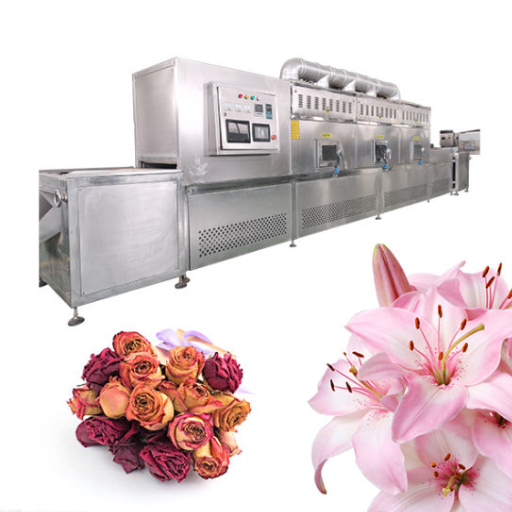


The freezing drying method produces products of superior quality, but it invariably restricts processing lines to 10 to 24 hours for every batch and necessitates colossal energy costs. Hot-air drying is fast and economical but destroys nutrients, pigments, and flavors of heat-sensitive and premium-priced commodities. Since long, alternate drying methods have been critical for plant managers dealing with fruit, pharmaceutical, herb, or nonwood-based specialty materials. Enter microwave vacuum drying.
You already know the problem. Your current dryer burns too much product or time. Therefore you also need an authority playbook to select a system as per evaluation in operation, inaccessibility costliness with the operation budget in mind. In a sound bit, we are exposing microwave vacuum drying to elucidate how it works, what serves its purpose for conventional methods, and how to pick the best machine for your facility. Lots from this one read. You are also left with some quantified process parameters spread on total cost of ownership, never before seen in brochures generic to manufacturers.
When Priya Sharma took charge in a mid-size herbal extract facility in Gujarat in 2024, she inherited a freeze-drying system taking 14 hours per batch and occupying one-third of her clean room space. Curcumin yield was excellent, but flow flat-lined growth. By qualifying microwave drying technology, she shortened the cycle to 45 minutes, regained 60% of the floor space, and retained intact 98% of the active compound. This is not a marketing claim, but rather, an example where the right drying technology matched the right product.
What Is Microwave Vacuum Drying?
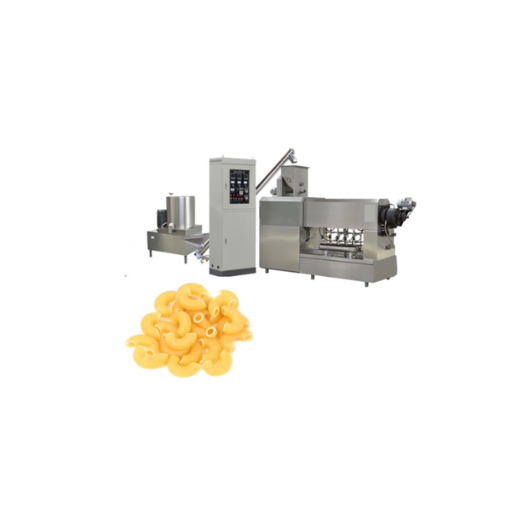
Microwave vacuum drying involves employing microwave electromagnetic energy and drastically lowered pressure in a sealed vacuum chamber. The vacuum creates conditions suitable for the boiling of water at 30-60 degrees Celsius, as opposed to the 100 degrees Celsius required to boil at atmospheric pressure. In the meantime, microwave energy permeates the material and directly heats water molecules through dielectric heating, starting from the inside of the particle. Hence, the moisture removal that takes place is instantaneous and uniformly spread, and it takes place at a gentle temperature that is less likely to degrade heat-sensitive compounds.
Far from an atmospheric microwave dryer with a vacuum pump tacked on as an afterthought, a genuine vacuum microwave dryer comprise s a vacuum system that produces 0.61-10 kPa and a microwave generator. In the context of industrial vacuum microwave driers, these three elements, namely, a stainless-steel, oven-like reactor, the vacuum system, and a microwave source of radiation, work together determining the capability of the design to dry a given product. Here, the vacuum pump is a must because it continually carries away the moisture, allowing the evaporation process while simultaneously avoiding water condensation or breakdown of low pressure.
The synergy matters. Vacuum alone would dry slowly because it relies on passive evaporation. Microwaves alone would heat too aggressively at atmospheric pressure. Combined, the vacuum enables low-temperature evaporation while the microwaves provide the internal energy that drives moisture out fast. According to research published in Applied Sciences, this combination achieves drying rates 50 to 90% faster than conventional hot air methods for heat-sensitive fruits while preserving antioxidant activity that hot air destroys.
Want to see how volumetric heating compares to conventional methods? Read our detailed microwave drying vs hot air drying comparison to understand the physics behind the speed advantage.
How Microwave Vacuum Drying Works: The Science
In terms of the peculiar above-mentioned environments, drying is finally the flow of liquids from some regions of development to some others. A few more principles must be employed forcefully to the implementation of selective vapor escaping from an evaporation surface. There are advantages to application including gradient protection and formulation effectiveness.
When the diagram may provide utility for purposes of air-conditioning, cleaning, drying, and so on, it must suit the provision of many conditions to create an efficient extraction process. These must be correct for purposes, such as drying at the absolute pressure, locations, and process parameters.
Although it induces gentle evaporation, the vacuum is an “conditioning” agent for achieving drying (8). Meanwhile, the microwave energy does the bulk of work in driving the water off the herbal cells. Electromagnetic waves at a frequency of 915 MHz or 2.45 GHz go through the herb and initiate movement in the polar water molecules, causing them to rotate along their axis, creating heat as a result of molecular friction. This concept fully supports the notion of volumetric heating because energy is distributed at the frequency of radiation through the material as opposed to being conveyed from the surface inward. In the microwave continuum-heat transfer-gel, heat originates from the substance universally, and thus there is no real surface-to-center gradient of temperature, and case hardening is not possible.
The third principle involves internal vapor pressure pumping. Because microwaves are generating rapidly steam within the material, their intra-vapor pressure exceeds that of the bad environment. This pressure difference forces moisture to be driven toward the surface for immediate extrusion by the vacuum pump. This is a kind of self-perpetuating loop since faster inner heating leads to increased vapor pressure pushing more moisture out, thus creating a better environment for the microwaves to reach deeper into the drying material.
Modern systems control power modulation under PLC, checking thermal runaway. Sugary, fatty materials may burn locally if the microwave power is changed effinaly. Sensors measure chamber pressure, product temperature, and moisture content and then adjust the magnetron’s or solid-state generator’s output in real time with the present drying curve. This meticulous control is the reason the microwave vacuum drying can win where the simpler heating methods could not bear fruits for multiple products.
Microwave Vacuum Drying vs Hot Air vs Freeze Drying
Plant managers wouldn’t decide upon drying technology as a standalone choice. They would step through possibilities not available due to financial constraint, the area into which a device would fit in their plant, and the standards held by clients. To inform these discussions concerning implementation, consider the following comparison against the standard methods across metrics that have immediate impacts on the bottom line.
|
Factor |
Hot Air Drying |
Microwave Vacuum Drying |
Freeze Drying |
|---|---|---|---|
|
Operating Temperature |
60 to 100+ degrees C |
30 to 60 degrees C |
-40 to +40 degrees C |
|
Typical Cycle Time |
4 to 12 hours |
20 to 90 minutes |
10 to 24 hours |
|
Energy Consumption |
1.5 to 4.0 kWh/kg water |
1.0 to 3.0 kWh/kg water |
10 to 15 kWh/kg water |
|
Product Quality |
Moderate (case hardening risk) |
High (near freeze-dry quality) |
Excellent (gold standard) |
|
Nutrient Retention |
30 to 60% Vitamin C loss |
90%+ retention vs fresh |
95%+ retention |
|
Capital Cost |
Low |
Medium |
Very High |
|
Floor Space |
Large |
Medium |
Very Large |
|
Best For |
Bulk low-value commodities |
Heat-sensitive mid-to-high-value products |
Ultra-premium applications |
Air-drying of heat-sensitive products fails because it relies on convective thermal transfer from outside to inside. The surface becomes dry sooner, and hardens, trapping moisture in the interior. This hard crust prevents even rehydration; it imparts some degree of darkening through Maillard browning, and destroys the vitamins by extended exposure to heat. Heated air has been shown to result in a 60-70% reduction in the levels of ascorbic acid in a variety of fruits like kiwi cherries after an 8-hour exposure.
Such problems are completely sidestepped with freeze drying. In this process, water is directly sublimated from ice under a deep vacuum at extremely low temperature. Consequently, the quality of the product is greatly appreciated, but it comes with high costs too. Commercial freeze drying equipment costs three to five times more than a vacuum microwave system of the equivalent size. This equipment consumes 10 to 15 kWh per kg of water removed while requiring two to four times the floor space. This cost structure eliminates margins for most products of medium to high value.
In the dispute over microwave vacuum drying vs freeze drying for one’s product line, this comes to the quality requirements and economics exercise. Microwave vacuum drying operates at such temperatures low enough to save that highly heat-sensitive compound-it is fast enough to maintain production velocity and Berry enough to protect against margins; if you do not look for any excuses concerning quality; it will not replace freeze drying for instant coffee or certain biologics. It will not replace hot air drying for incontrovertible factors in the decision, i.e. capital cost, when handling sand, gravel or bulk grain. Except for fruits, pharmaceuticals, herbs, insect protein, specialty ceramics, and hundreds of other products, it can offer preservation equal to freeze drying for a fraction of the cost in operation.
Ready to model the ROI for your specific product? Speak with our engineering team for a custom TCO assessment comparing vacuum microwave against your current drying method.
Key Applications by Industry
The fact that microwave vacuum drying is so versatile is due in part to how fast it operates without causing much damage. The same system that can produce fruit chips in 30 minutes would only be able to process those pharmaceutical granules at, say, 40 degrees Celsius without damage to active agents.
Food Processing
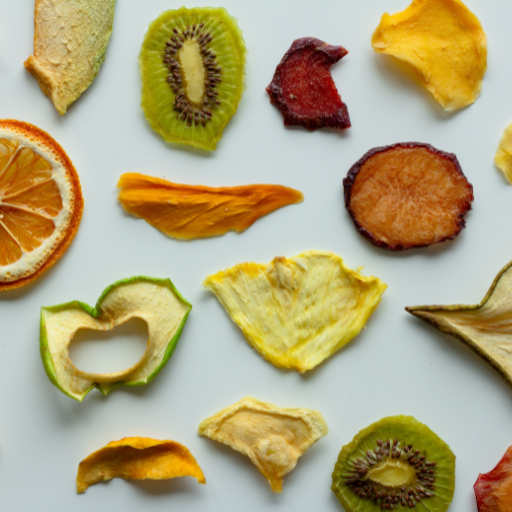
The start, as one can see, goes to fruits and vegetables. Bright color, delicious taste, and highly nutritious value are retained in vacuum-microwave dried blueberries, slices of mango, segments of orange, and sweet potato chips. The whole process is oxygen-poor and free of high temperatures to protect the products throughout their lifetime from the entropic evils of browning and age staling that beset air-dried products.
Puffing calls for special mention. The evaporation inside the product creates the crispy-crackly-light form under vacuum without frying in oil. It is due to this property that vacuum microwave is good for producing clean-label snacks: apple chips, banana crisps, and vegetable puffs are the way to meal satisfaction for consumers looking for healthy alternatives to fried snacks.
The applications of dairy are quite incoming. Dairy applications extensively benefit from low-temperature drying for powdered milk, cheese pieces, yogurt, and probiotic cultures. When properly optimized, more than 90% of the live probiotic viability is sustained at below 60 degrees Celsius drying, a temperature not reachable by hot air and not economical for freeze drying on any kind of meaningful scale.
The vacuum microwave is being adopted for excellent protein products and jerky by the meat industry. By its speed of processing, the bacterial multiplying window, the slow drying methods’ rating, is being lapped and mild protein denaturation does not allow for any textural toughening.
Herbs and spices represent a high-value niche where quality directly impacts price. Turmeric, garlic, ginger, basil, and chili powder all contain volatile essential oils and active compounds that degrade above 50 degrees Celsius. Our microwave drying food applications page details how specific products respond to different drying parameters.
Pharmaceutical and Healthcare
Microwave vacuum drying has a reduced presence in pharmaceutical applications, although the situation is changing. Sensitive bio-ingredients, probiotic cultures, enzyme preparations, and the biotech input all require operating drying temperatures below 45 degrees Celsius to retain their biological activity.
Pharmaceutical granule drying through the traditional tray under vacuum would take as long as 12-24 hours. Microwave vacuum drying, however, reduces this to 1 to 3 hours, taking care of much of the homogenous moisture content. This is crucial for the subsequent step in the supply chain process – tablet compression, where lumps or wet spots cause cap-formation; leaching after moisture killing, swelling; few have such indivisible bodies call Kern-fracture; table-compression defects; an increase in botanic extract levels; weight variation reject an entire batch.
Natural product manufacturers face the same serious problem. For polysaccharide and flavonoid compounds to survive under low heat the entire time, some of the “very old” botanicals like Astragalus root, ginseng, etc., still need microwave vacuum drying to a 35-45 degree Celsius temperature that will meet the specified moisture levels for powder processing and extraction.
Industrial and Agricultural Materials
For industries such as food, pharma, microwave vacuum drying stands as an addition for manufacturers that require low-temperature dehydration. Used by ceramic and polymer producers for the purpose of keeping thermal stress cracks and warping, products during drying. The low-pressure environment serves chemical powder manufacturers against oxidation and discoloration of sensitive compounds.
In the field of agriculture, there is germination drying, plant-acclimatizing by color and odor, and drying of seeds at moderate temperatures to preserve their germination rate. Customized vacuum levels, power density, and conveyor rates make this technology adaptable to materials that a conventional dryer would damage.
Quality and Nutritional Benefits
The quality advantages of vacuum microwave drying are based on definite measurements and runs most susceptible to being connected to the product value.
Nutrient retention is repeatedly cited as the most immediate advantage: at operating temperature of 30 to 60 degrees Celsius, this process does not have thermal destruction to the vitamins sensitive to heat. Additionally, dried products keep up to 90 percent more Vitamin C after being microwaved as opposed to air-drying. An equally high rate of preservation is observed in polyphenols, antioxidants, carotenoids, and to some extent macronutrients. High percentage nutrient preservation and ingredient retention, depending on the elements under consideration, will be found favorable by functional food producers and may increase the selling price on their labels.
Color is important, but flavor more so. Oxygen inhibits oxidative browning and development of off-flavors. By maintaining a low temperature, Maillard reactions that discolor the surface and develop roasted flavors in products where fresh flavor is the main selling point are stopped. Thus, a strawberry dried at 40°C under vacuum tastes like a strawberry; dry the same fruit at 80°C in hot air and it tastes like jam.
The vacuum microwave system creates a good internal structure via rapid vaporization, ensuring that the vacuum microwave product can reconstitute very well; thus, they can soak up water like a trip to the pub. This becomes an essential issue in the manufacture of instant soup, the ready meal guys, or anything where the final user is expected to reconstitute the dried product.
In the end, the synergistic effect of low water activity and low microbial load extends shelf life naturally and without use of chemical preservatives. This is a competitive advantage for clean-label food producers to open the most premium retail channels.
Equipment Selection: Batch, Rotary, and Continuous Systems
Get better at picking a microwave vacuum drying system that is recognized for your product characteristics, batch sizes, and goals of production. The system has a range of three main alternatives each of which addresses a dedicated operational need.
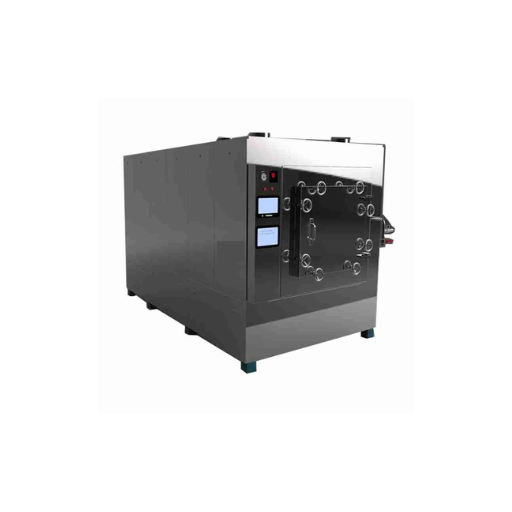
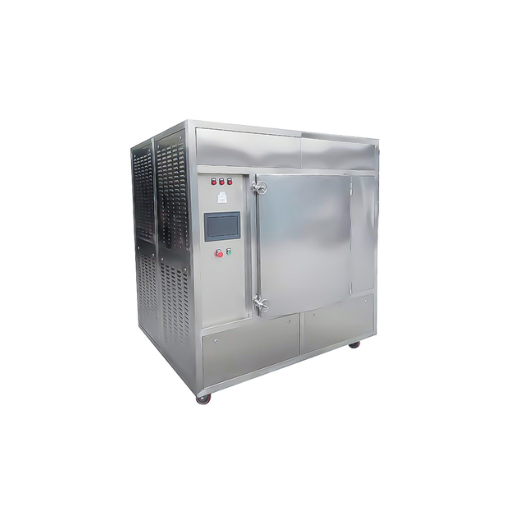
The batch-and-cabinet system is a small, enclosed chamber with trays or shelves. The product is normally kept stationary with microwave businessmen acting upon it while at the same time a vacuum introduces its depleted pressure over the product. These systems apply to very small, powder and winefield operations where mechanical abuse would damage the product. Such operations usually include pharmaceutical powders, fragile flowers, some pilot development, and some specialty products. Chamber volumes range from 50 to 1,000 liters, with microwave power between 3 and 30 kW.
An extra dimension to the heating problem is given by rotary and tumble systems. Continuous movement through processes permits all sides of the product in the rotating drum or tumble chamber to be exposed to microwaves uniformly, thus eliminating hot spots and areas of uneven drying. Both systems are suitable for heating fruit, vegetables, meats, and granular materials, where mechanical handling will not hurt them. Individual process characteristics require specific rotational speeds, angles of tumbling, and baffle designs.
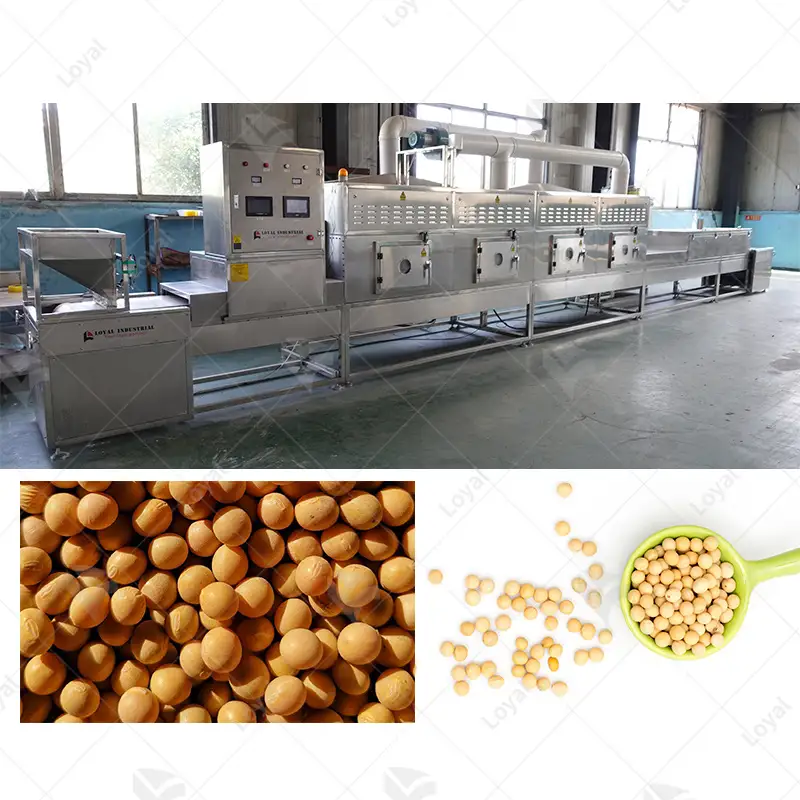
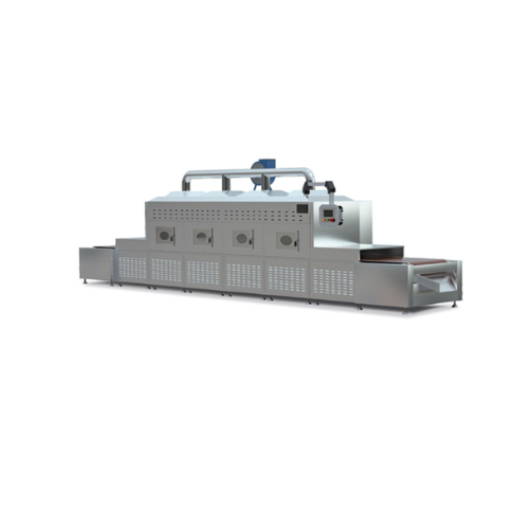
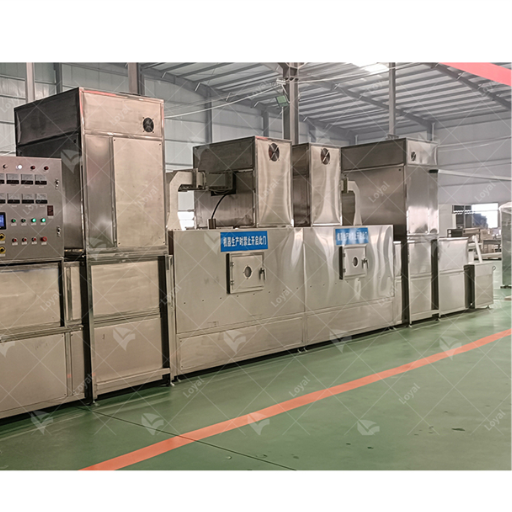
For the highest throughput configuration, options may be extended to continuous belt and tunnel systems, where a belt conveyor moves products through a vacuum tunnel showered with microwave generators in varying zones. As far as product density and initial moisture are concerned, these systems process anything between 500 and 3,000 kg an hour. With the highest capital costs, these systems are profitable if applied to large-scale production, yielding the least cost of operation per unit produced.
In evaluating drying systems in 2025, procurement director Marcus Bergman from a Scandinavian dairy ingredients supplier faced a customary choice between the capital and operational costs. For a freeze dryer to offer a given quality, the price tag of EUR 2.8 million was necessary and the floor space: 600 square meters. For a hot air system at one-tenth of the cost, however, there would be no way to meet his probiotic viability specifications. The vacuum microwave tunnel he eventually chose from Shandong Loyal was calculated out at EUR 680,000, given a floor space approximating 180 square meters, and able to realize 94% probiotic retention at an impressive throughput of 2,100 kg per hour. His return time should come to 14 months based on the savings in energy and labor over the freeze dryer.
Key performance parameters across all LTM drying units are chamber material (304 SS or 316 SS for food/pharma), vacuum pump capacity and ultimate pressure, microwave generator (magnetron/solid state), maximum power density per square meter, accuracy level of the temp/pressure sensors, PLC controls, and clean-in-place systems for regulated environments. Custom engineered solutions should allow for hybrid configuration combining microwave, vacuum, and hot air in a multiple staging process for those products that require multi-phase drying.
Explore our complete range of microwave dryers to find the configuration that matches your production requirements, or contact our team for a custom engineering consultation.
2026 Technology Trends
The landscape for microwave vacuum drying is changing very rapidly. Technological changes have occurred in the microwave landscape that redefine what can be accomplished using these systems and how they integrate further into production environments.
Replacing traditional magnetrons in premium systems is the solid-state microwave generators. Solid-state generators offer frequency tuning and power ramping more precisely than magnetrons. In addition, solid-state generators are much more robust and reliable technologies compared to magnetrons. These four features translate to product uniformity, a reduction in maintenance operational downtime, and improved electrical optimization for microwave power deposition based on the unique dielectric properties of the material.
Automated process control by AI is inching towards becoming regular factory equipment. Recent models use, among others, some state-of-the-art equipment such as real-time moisture sensors, infrared mapping of temperature, and machine-learning algorithms to continuously adjust power levels, conveyor speeds, and vacuum pressures without human intervention during the drying cycle, which brings a greater degree of control over the process. This assists in bringing down reliance on operators and maintaining almost batch-to-batch repetition of quality, making use of pharmaceutical validation criteria.
Another significant technology trend is the hybrid integration approach instead of seeing the separate technologies of microwave, vacuum, and hot air. 2026 systems are mostly designed to combine all three technologies in staged integration, where a product moves into a preheating zone with hot air for removing surface moisture, followed by instant transfer to a microwave vacuum zone for gentle interior drying. The process finally progresses to a cooling zone under vacuum to avoid reabsorption. The advantages are energy efficiency, combined with very exquisite quality optimization now enabled for complex materials.
On the other hand, sustainability is also contributing to adoption. Against mounting energy costs and amidst the wave of mandatory ESG reporting in the EU and North America, manufacturers are feeling the heat, symbolizing a red hot need to reduce energy in processing. Microwave vacuum drying consumes 30 to 50 percent fewer energy units while offering the same throughput compared with conventional techniques, besides, it uses between 70 and 90 percent less energy than freeze drying. The move towards fully electric, zero-emission lines makes microwave vacuum an increasingly strategic choice.
At the edge of this technology specter are remote monitoring and predictive maintenance. In the interconnected dryers, critical sanitation defects that typically begin to manifest suddenly and without warning are reported to maintenance teams remotely without causing service downtime–for those companies that carry from one month to another. For a facility that is running 24/7, the predictive power is going to be worth even more than the energy savings.
Conclusion
Microwave vacuum drying has loaded up plentiful research on marginal interests until now and has made its way into established industrial practices in competition with other drying methods. Low-temperature dehydration preserves customer and consumer appeal for dried food products of color, flavor, and nutrients untouched by high-temperature treatments or long, drying laps that freeze-drying demands. This makes the process reaches a cycle point in minutes instead of the laborious hours, if not days, needed for freeze drying and requires very little energy. Hence well depressed profit margins courtesy of economy made lithium little too critical.
The technology is not all-encompassing. It makes sense to freeze-dry for ultra-premium biologics or standard instant coffee. And heat air drying still makes sense for bulked commodities where quality takes a backseat to cost. But microwave vacuum offers the best trade-off among quality, speed, and cost in the medium sector of heat-sensitive, value-added products.
As you determine your next drying to be illustrated from, some considerations you may want to bear are listed below:
- Operating temperatures of 30 C-60 Cesius deprive heat-sensitive compounds of the heat that conventional dryers squander.
- Cycle hours of 20 to 90: more energy-efficiently replace the 10- to 24-hour freeze-drying bottleneck.
- One application promisingly involves an energy-saving approach in which 1.0-3.0 kWh per liter of water removal is used; this is promising, given that freeze drying typically consumes less total energy at such heights.
- An alternate significant advantage of this new technology is that, by radically decreasing the oxygen level under vacuum, it becomes impossible for the target product to oxidize, thus mitigating any kind of shelf-life limitation, thus eliminating the need for chemical preservatives.
- Making several batch, rotary, or continuous options available enables the optimum technologye to b selected for the products to be processed and the constraints of the volume and facility.
United States and European countries indeed continue to invest heavily in vacuum microwave drying technology; that means the global industrial microwave heating equipment market grows to USD 4.12 billion by 2035. Vacuum-assisted systems are counted among the fastest-growing sections. Now facilities would really start gaining both quality superiority and cost efficiency as compared to the existence of the renowned markets on similar technology.
Request Your Custom Microwave Vacuum Drying Assessment
We are a market leader in the development and manufacturing of microwave vacuum dryers, which are used in three different fields globally, food, pharmaceutical, and chemical engineering. Our group of engineers will analyze your product formed, current drying costs, and production targets to select a microwave vacuum drying system that fits your needs. Full installation assistance will be provided, including ROI models of all pertinent configuration, so please contact us to discuss your situation.