




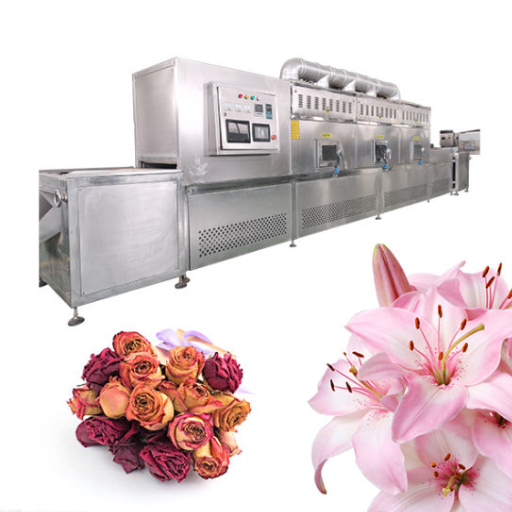
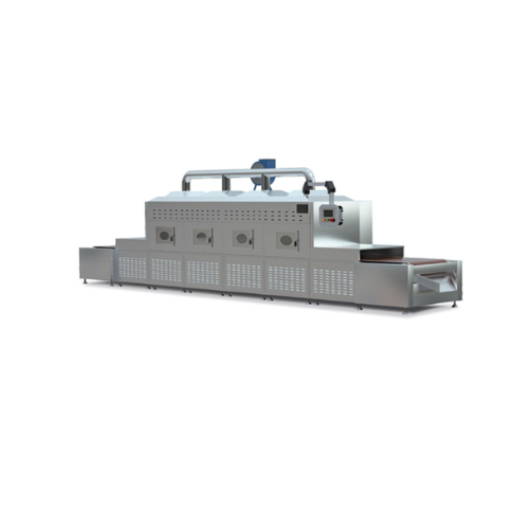


Your traditional hot air dryer spends roughly two-thirds of its cycle time removing the final third of moisture. The bottleneck results in system interruptions which decrease your production rate and increase your energy costs and diminish your product quality during every operational period. An industrial microwave drying system eliminates it entirely by heating materials from the inside out which reduces drying times by up to 90% and decreases energy expenses.
Plant managers and process engineers face equipment evaluation challenges because they must select capital equipment upgrades for their operations. Production quotas are rising. Utility costs are climbing. Customers expect their products to maintain consistent quality through every production batch. You need drying technology that operates at your required pace while maintaining your current operational expenses.
The guide explains how industrial microwave drying systems operate their most profitable investment periods and essential information which 2026 buyers need to consider when choosing their systems. The audience will gain complete technical knowledge which includes data comparisons to traditional drying methods and a decision-making system that helps them select the best option for their site.
When the operations team at a mid-sized spice processor in Gujarat finally tracked their true drying costs, they discovered a sobering truth. Their gas-fired hot air tunnel was consuming 4.2 kWh for every kilogram of water removed, and case-hardening was forcing them to discard nearly 8% of each batch. After switching to a continuous microwave drying equipment setup, their specific energy consumption dropped to 0.9 kWh per kilogram. Rejection rates fell below 2%. The system paid for itself in 18 months.
Want to see how similar savings could look in your facility? Explore our complete range of microwave dryers and request a custom energy assessment.
What Is an Industrial Microwave Drying System?
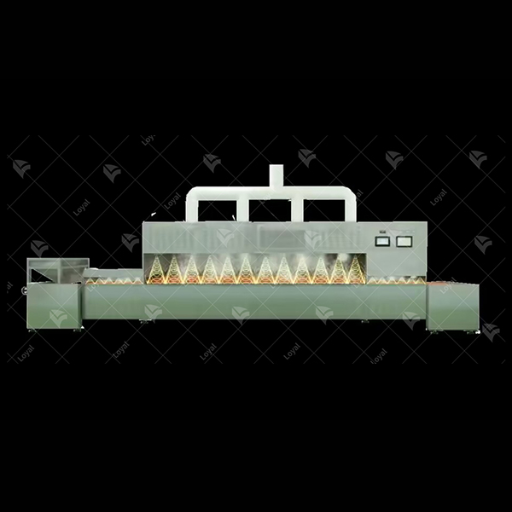
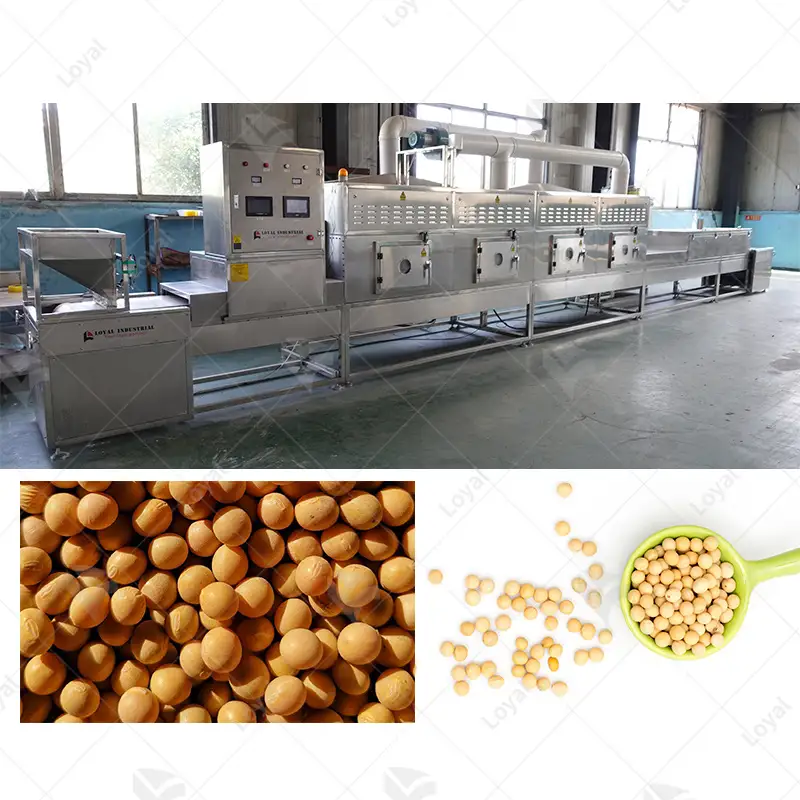
The industrial microwave drying system operates as a sophisticated thermal processing unit which employs electromagnetic energy for moisture extraction from materials at frequencies of 915 MHz or 2.45 GHz. The systems generate internal heat through volumetric heating which differs from conventional dryers that depend on hot air to contact the product surface.
Here is the mechanism explained in basic language. The product receives microwaves which then cause its water content to become polar molecules that microwaves interact with. The rapid vibration of these molecules creates friction which produces heat that spreads throughout the material in a uniform manner instead of staying only at the surface. The heating profile which starts from the inside of the body and moves outwards performs better at driving moisture to the outside than both conductive and convective drying methods.
A typical system consists of five core components:
- Magnetron or solid-state generator: The system generates microwave energy which powers the drying operation.
- Waveguide: The system transmits microwave energy to the applicator chamber while maintaining high energy efficiency.
- Applicator chamber: The RF-sealed stainless-steel enclosure permits controlled microwave field exposure to materials.
- Conveyor belt: The PTFE-coated or stainless-steel mesh belt extends through the system to deliver products at different speeds through the processing area.
- PLC control panel: The system controls power output, conveyor speed, temperature measurement devices and security systems which enable automated processes to run repeatedly.
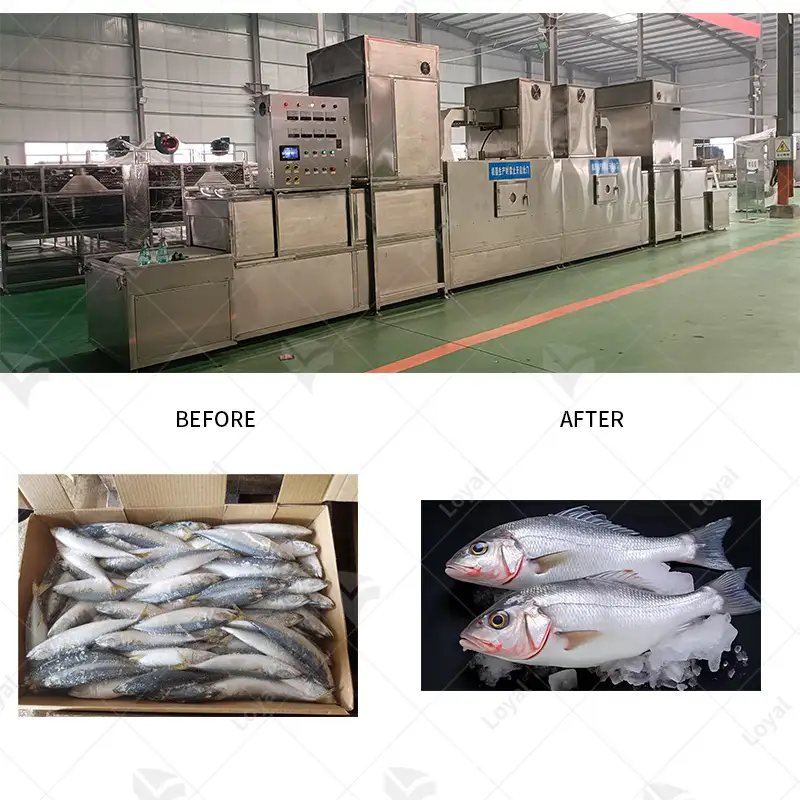
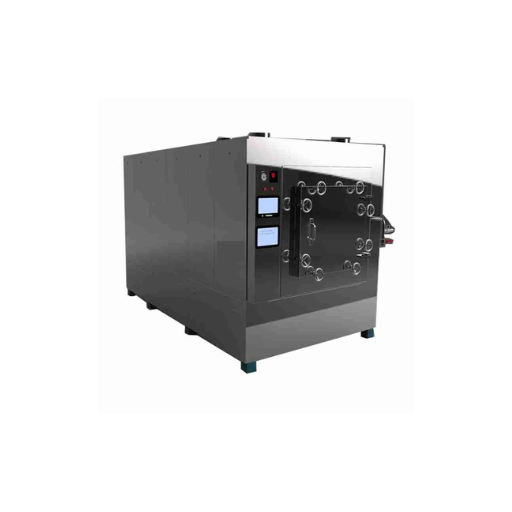
These systems present two main design options which engineers can select from. The batch system processes small quantities of material which needs to be handled through distinct drying procedures. The tunnel dryers operate continuously because they use convection to transport products through several microwave zones which enables them to create consistent output at high production rates.
How Microwave Drying Works: The Science Behind the Speed
The superior performance of microwave drying compared to traditional methods requires an examination of its effects on moisture content.
Hot air drying which uses heated air to dry products begins from the outside and moves toward the inside of the material. The heated air first removes moisture from the product surface which leads to the evaporation of the most outer layer of moisture. The inward movement of heat creates a situation which results in a rapid decrease of moisture content. The outer layer of the material which has dried acts as a barrier that prevents internal water from being removed. Arun S. Mujumdar who specializes in drying processes estimates that standard dryers take more than 66 of their operating time to eliminate their last third of moisture.
The issue works in reverse through microwave drying. The energy field that penetrates entire material volume causes all water molecules in the product to heat up at the same moment. The internal pressure gradient creates a mechanism which moves both liquid water and steam from the inner product layer towards its outer layer. The drying process shows a significant reduction in its falling-rate duration while achieving more consistent moisture distribution throughout the material.
The heating method known as volumetric heating provides a vital benefit which allows for targeted thermal energy distribution. Water takes in microwave energy at a much higher rate than most dry solid substances. The microwave field targets moisture content directly which results in less heat loss during the process because dry material and surrounding air require energy.
Manufacturers use vacuum microwave drying for products which are sensitive to heat. The process of boiling water occurs at low temperatures because the chamber pressure decreases to a range between 10 and 50 kPa. The process enables fast moisture extraction while maintaining low temperatures which preserve sensitive elements found in pharmaceuticals nutraceuticals and premium food products.
Industrial Microwave Drying vs. Hot Air Drying: A Data-Driven Comparison
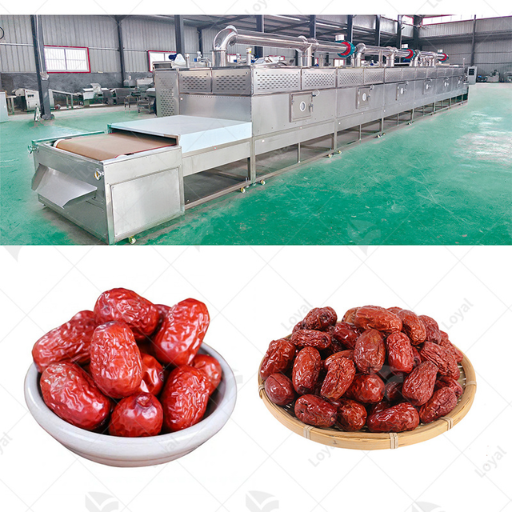
Plant managers show us their need to know whether microwave systems have their higher capital costs that require justification. The answer depends on your product, your volume, and your quality requirements. The data presents strong evidence which supports mid-to-high-value applications in most cases.
|
Factor |
Traditional Hot Air Dryer |
|
|---|---|---|
|
Drying speed |
10-15x faster; no warm-up required |
Slow; long falling-rate period |
|
Energy efficiency |
0.56-1.2 kWh/kg water removed |
1.5-4.0 kWh/kg water removed |
|
Product quality |
No case hardening; better color and nutrient retention |
Risk of crusting, uneven drying, thermal damage |
|
Temperature control |
Highly precise, often within +/-1 degrees C |
Less precise; higher operating temps needed |
|
Capital cost |
Higher initial investment |
Lower upfront equipment cost |
|
Operating cost |
Lower per kg due to speed and energy savings |
Cheap to buy, expensive to run at scale |
|
Footprint |
Compact for equivalent throughput |
Often requires more floor space |
|
Environmental impact |
100% electric; minimal emissions |
Often fossil-fuel dependent; higher carbon footprint |
The Case Hardening Problem
The hot air systems produce their steep moisture gradient because they dry the surface area fast while maintaining wet conditions in the inner section of the space. This process results in case hardening, which creates a solid outer layer that prevents water vapor from escaping. The process leads to multiple problems which include uneven drying because of extended cycle times and cracked products which result in reduced product quality.
Microwave drying avoids this entire problem. The energy field penetrates the material volumetrically which results in a moisture gradient that remains constant while preventing the development of a dry insulating shell. The processing method enhances texture and appearance for food processors. The processing method delivers pharmaceutical manufacturers with both batch consistency and regulatory compliance.
Total Cost of Ownership
The total cost of ownership for microwave technology shows different results than the initial purchase price of hot air dryers. The business can increase its production capacity without needing additional workspace because the system enables shorter turnaround times which allow for more production runs during each operational day. The system’s reduced energy needs result in lower electricity expenses for the business. The process produces more uniform drying results which decrease product rejections while the final product achieves better quality standards that enable it to sell at higher market prices.
When to choose microwave drying: heat-sensitive or high-value products, facilities with high energy costs, limited floor space, or strict quality requirements.
The most applicable use of hot air drying exists in situations which need to process bulk materials that have low value because product quality degradation is acceptable and the business seeks to minimize its initial equipment costs.
Ready to test the difference? Speak with our engineering team to run a side-by-side cost analysis for your specific material and throughput.
Key Applications by Industry
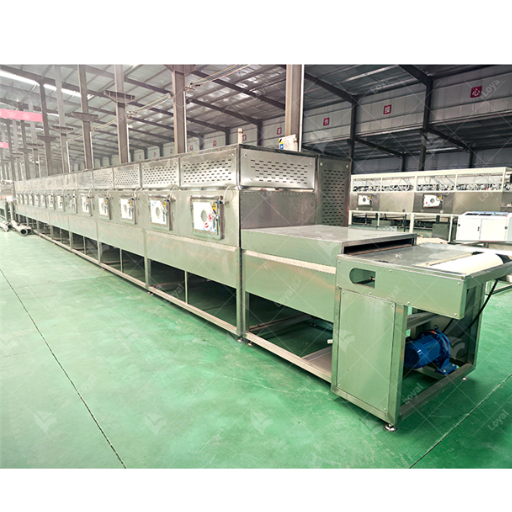
The global industrial microwave drying equipment market is projected to grow from roughly USD 1.2 billion in 2024 to approximately USD 2.5 billion by 2033, driven by demand across food, pharma, chemicals, and advanced materials. The most successful results from industrial microwave dryer applications when they perform at their peak capacity.
Food Processing and Agriculture
Food processing accounts for over 38% of the industrial microwave drying market, and for good reason. Microwave systems dry fruits, vegetables, herbs, spices, grains, and proteins at a speed that reaches precise drying results which conventional methods fail to achieve.
The main advantages for food manufacturers include the following.
- Microwave-dried fruits can retain up to 90% more Vitamin C compared to air-dried alternatives.
- The system achieves moisture reduction rates that reach up to 15% per minute, while conventional hot air systems achieve rates between 1% and 2% per minute.
- The product maintains its natural color and flavor and texture because it stays away from high surface temperature contact for extended periods.
Emerging applications are equally promising. Insect protein processors use microwave drying for black soldier fly larvae and mealworms, preserving nutritional profiles while meeting rising demand for sustainable animal feed. Spice producers in India and Southeast Asia are switching to microwave drying for food processing to protect volatile aromatic compounds in turmeric, pepper, and cardamom.
Pharmaceuticals and Biotechnology
Pharmaceutical manufacturing demands exacting control over temperature and moisture. Microwave drying meets these requirements while cutting cycle times.
Common pharma applications include:
- Drying Active Pharmaceutical Ingredients (APIs) without thermal degradation.
- Processing herbal extracts and nutraceuticals where bioactivity must be preserved.
- Sterilizing and drying medical packaging and equipment.
In one documented pharmaceutical case study, a manufacturer switching from hot air to microwave drying achieved a 70% reduction in drying time while improving tablet uniformity and batch consistency. For heat-labile compounds, vacuum microwave drying provides an even safer profile by enabling low-temperature moisture removal under reduced pressure.
Compliance which exists as a primary requirement. The modern microwave drying systems use automated temperature logging and moisture tracking features to create documentation which supports Good Manufacturing Practice requirements and regulatory audits.
Industrial Materials
The technology of microwave drying resolves substantial issues which extend beyond its applications in food products and pharmaceutical products to material science and industrial manufacturing sectors.
Shandong Loyal machines dry latex and rubber materials through six to nine minute cycles. The system delivers consistent heating which ensures product structural integrity and protects the original shape and color of finished goods.
Microwave energy technology enables uniform drying of ceramic materials and polymer composites which prevents drying cracks and warping problems that occur with conventional thermal drying methods.
The electric vehicle industry has generated tremendous need for electrode drying because of its explosive growth. The microwave systems provide quick and consistent moisture extraction which enables production of advanced battery systems.
The textile and wood industries increasingly adopt non-contact microwave drying technology for fabric and yarn and veneer and paper product applications which require uniform moisture content and minimal material shrinkage.
The rubber products facility in Thailand reduced their drying time from 4.5 hours to 7 minutes after they switched from a gas convection oven to a hybrid microwave drying system. The facility achieved a 42% reduction in energy use. Their defective product rate decreased from 11% to under 2% because of the improved curing process. The plant manager identified the upgrade as the most significant capital investment decision made by the company throughout the past ten years.
2026 Technology Trends: Smart, Hybrid, and Sustainable Systems
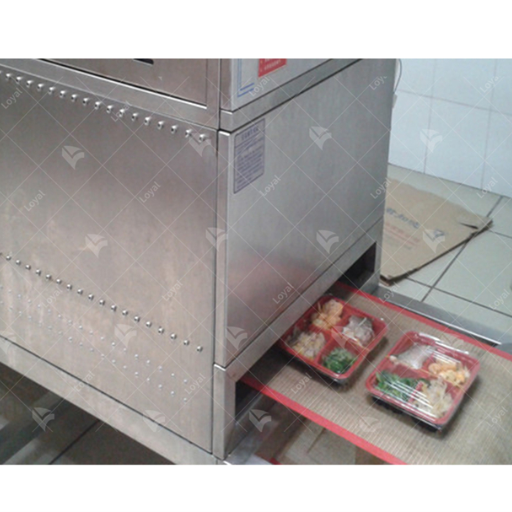
The industrial microwave drying industry currently experiences rapid changes. Three trends establish market boundaries for 2026 through hybrid system design and smart manufacturing and sustainability-based energy efficiency improvements.
Hybrid Microwave Systems
Modern hybrid systems still use hot air streams as their primary heating method. The system retrieves waste heat from air-cooled magnetrons which discard 37% of electrical power as thermal waste. The system utilizes recovered heat to preheat incoming product while simultaneously lowering the dew point in the drying cavity and insulating the chamber walls.
The configuration creates a system which combines advantages from both systems. The system delivers microwave volumetric heating speed and uniformity while creating extra efficiency from each kilowatt-hour used. High-volume facilities now use hybrid designs as their standard solution.
AI and IoT Integration
Industry 4.0 transforms microwave dryers from independent machines into smart manufacturing equipment. Advanced systems now feature:
- Real-time moisture monitoring: Inline sensors track residual moisture continuously, allowing the PLC to adjust power and belt speed automatically.
- Predictive maintenance: Machine learning algorithms analyze magnetron performance and bearing vibrations to flag maintenance needs before failures occur.
- Autonomous tuning: Smart applicators automatically adjust field distribution to compensate for load variations, eliminating hot spots and improving uniformity.
These capabilities result in decreased downtime and better product quality and simpler operation for workers.
Energy Efficiency and ESG Alignment
Microwave drying technology provides businesses an environmentally sustainable solution because rising utility expenses and stricter environmental laws create operational challenges. The technology operates entirely through electric power which enables its operation using renewable energy systems. Organizations experience energy savings between 30 and 50 percent when using this system instead of traditional thermal dryers because its actual energy use remains below 33 percent of gas-fired systems.
The implementation of an industrial microwave drying system provides businesses with ESG requirements and carbon reduction objectives a transparent pathway to decrease both their emissions and their operational costs.
Selecting the Right Microwave Drying System for Your Facility
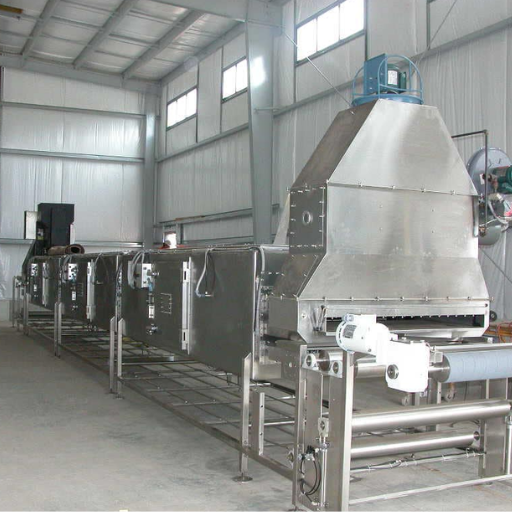
The best system selection needs more than straightforward equipment comparisons. The technology needs to match your material properties and processing capacity and operational restrictions of your facility.
Assess Your Material
Begin your drying process by understanding the basic material you plan to dry. The drying time for high-moisture materials depends on the power level of microwaves and their necessary contact time. Materials that react to heat need either vacuum-based processing or operations at lower power levels. The application of multi-zone continuous tunnels with their capacity to control energy output throughout the production line helps materials that have uneven moisture levels.
Determine Throughput Requirements
Batch systems work well for R&D, pilot-scale production, or specialized materials with long changeover times. Continuous tunnel dryers are the ideal solution for facilities that need to process materials without interruptions during their entire production process. A general rule of thumb: if you’re processing more than 500 kilograms per hour, continuous configurations almost always deliver better economics.
Evaluate Floor Space and Infrastructure
The footprint of microwave dryers remains smaller than that of matching hot air systems because they use less space for their ductwork and combustion chambers. The system requires sufficient electrical capacity to function properly. High-power continuous systems require 380V three-phase industrial supply.
Prioritize Custom Engineering
No two production lines are identical. The best manufacturers engineer custom solutions that integrate seamlessly with your existing conveyors, packaging lines, and control systems. The ideal partner should provide the following services:
- On-site facility assessment and workflow analysis.
- Clients can choose their required chamber dimensions and belt designs.
- Your existing factory automation and data systems will be seamlessly integrated.
- The company will handle complete installation while training operators through their training program.
- The company will maintain technical support while providing spare parts for customers.
At Shandong Loyal, we design every industrial microwave drying machine around the client’s specific material, volume, and factory layout. Whether you’re drying turmeric powder, black soldier fly larvae, or rubber compounds, the right configuration depends on understanding your process from inlet to outlet.
Need help specifying the right system? Contact our engineering team for a free facility assessment and custom equipment quote.
Conclusion
Industrial microwave drying systems represent a fundamental upgrade over conventional thermal drying. The systems achieve their operational efficiency because they use volumetric heating which generates heat throughout materials instead of relying on surface-based heat transfer methods which operate at much slower rates. The systems achieve processing time reductions of up to 90 percent because they use the technology which eliminates case hardening and hot air method quality loss problems together with various methods which decrease energy use between 30 and 50 percent.
These are the main points which you should keep in your memory.
- Volumetric heating targets moisture from the inside out, removing the bottleneck that slows conventional dryers.
- Energy efficiency is often 2-3x better than hot air drying, with specific consumption as low as 0.56 kWh per kilogram of water removed.
- Quality preservation protects color, nutrients, and structural integrity across food, pharmaceutical, and materials applications.
- Microwave technology usually costs less to own because its total operational expenses are lower than those of other technologies which require more money for their initial equipment purchase.
- The 2026 forecast shows that hybrid design and AI-driven controls and sustainability integration will make microwave dryers the competitive standard for manufacturers.
Microwave drying has become a standard technology which all manufacturing facilities now use to achieve maximum production efficiency and cost management and product quality control.
Upgrade your factory’s efficiency today. Speak with our engineering team to configure a custom industrial microwave drying system for your specific production line. We’ll assess your material, volume, and facility layout to engineer a solution that matches your operational needs and your budget.